
If you’re running long routes, working remote job sites, or hauling equipment daily, fuel capacity and tool organization matter. A Truck Transfer Tank Toolbox Combo solves both problems by combining an auxiliary fuel tank with secure storage in one compact unit.
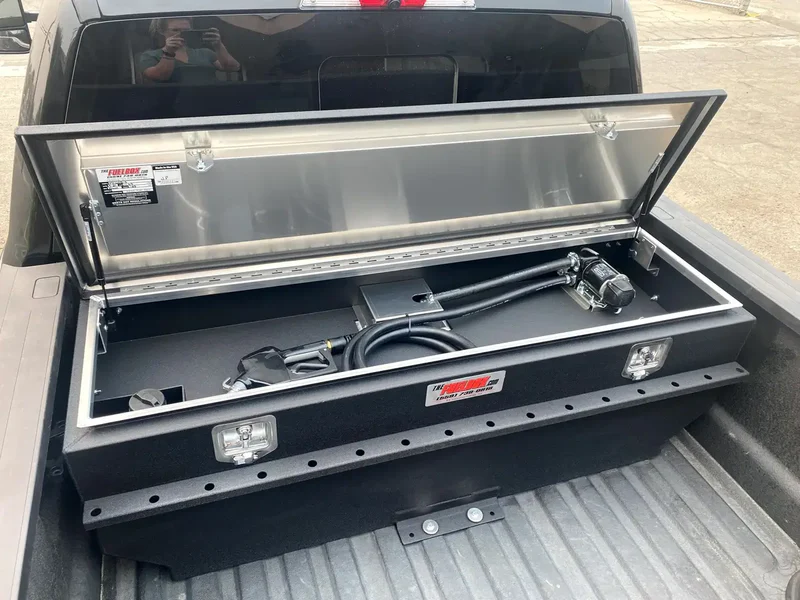
Instead of sacrificing bed space for separate equipment, this combo design increases efficiency, reduces refueling stops, and keeps your tools protected. In this complete guide, you’ll learn how these systems work, legal considerations, installation steps, and how to choose the right model.
Read too: Franklin Truck Parts Near Me: Your Complete Guide to Local Truck Parts & Repair Solutions
What Is a Truck Transfer Tank Toolbox Combo?
A Truck Transfer Tank Toolbox Combo is a truck bed accessory that integrates:
- An auxiliary fuel transfer tank
- A built-in locking toolbox
These units are typically mounted in the front of a pickup truck bed, directly behind the cab.
Fuel transfer tanks fall under the broader category of portable fuel storage systems described in general transportation references such as Wikipedia.
The combination design allows truck owners to:
- Carry extra diesel or gasoline
- Store tools securely
- Optimize truck bed space
Why Choose a Truck Transfer Tank Toolbox Combo?
1. Extended Driving Range
Long-haul drivers, contractors, and ranchers often operate in remote areas where fuel stations are scarce.
An auxiliary tank:
- Reduces downtime
- Minimizes emergency stops
- Increases productivity
Many combo tanks hold 30–100 gallons depending on size.
2. Secure Tool Storage
The integrated toolbox:
- Protects valuable equipment
- Prevents theft
- Organizes frequently used tools
Most units include heavy-duty locking lids and weather seals.
3. Space Optimization
Instead of installing a separate tank and toolbox, the combo design:
- Saves bed space
- Reduces weight compared to two separate units
- Simplifies installation
Efficiency matters for commercial users.
What Sizes Are Available?
Transfer tank toolbox combos come in several capacities.
| Capacity | Ideal For |
|---|---|
| 30–50 gallons | Light-duty trucks |
| 50–75 gallons | Contractors |
| 75–100 gallons | Long-haul or agricultural use |
Always check your truck’s payload rating before purchasing.
Aluminum vs Steel: Which Material Is Better?
Aluminum Models
Advantages:
- Lightweight
- Rust-resistant
- Lower maintenance
Disadvantages:
- Slightly higher cost
- May dent easier
Steel Models
Advantages:
- Stronger structure
- Often more affordable
Disadvantages:
- Heavier
- Requires rust protection
Aluminum is more common for modern pickups due to weight efficiency.
Is It Legal to Install a Fuel Transfer Tank?
This is one of the most common questions.
Key Legal Considerations:
- Must comply with DOT regulations
- Must include proper venting
- Must be labeled if required
- Must follow state fuel transport laws
Many transfer tanks are legal for diesel use without special permits when installed correctly.
Gasoline transfer tanks may have stricter requirements.
Always verify state-specific regulations.
How Does a Truck Transfer Tank Toolbox Combo Work?
Most systems use:
- Electric fuel transfer pump
- Hose and nozzle
- 12-volt power connection
Fuel can be transferred manually or automatically into the primary tank.
Some advanced models include:
- Auto-transfer systems
- Fuel level gauges
- Locking pump compartments
Step-by-Step Installation Guide
Installing a Truck Transfer Tank Toolbox Combo requires careful planning.
Step 1: Measure Truck Bed
Measure:
- Width between wheel wells
- Distance from cab to bed center
- Bed depth
Ensure proper fit before purchase.
Step 2: Position the Unit
Place combo unit against front of truck bed.
Maintain:
- Clearance from cab
- Access to fuel cap
- Even weight distribution
Step 3: Secure Mounting
Use:
- Heavy-duty mounting brackets
- Bolts through bed floor
- Reinforcement plates if needed
Improper mounting can cause movement during transit.
Step 4: Install Fuel Pump
- Connect pump to tank outlet.
- Wire to 12V power source (usually battery).
- Install inline fuse for safety.
- Ground properly to prevent static discharge.
Step 5: Test System
Before full use:
- Check for leaks
- Confirm pump operation
- Verify proper grounding
- Test fuel flow
Safety inspection is critical.
Weight Considerations
Fuel weighs approximately 6–7 pounds per gallon.
Example:
75 gallons × 7 lbs = 525 pounds of fuel alone.
Add tank weight (100–200 lbs) and tools.
Ensure your truck’s payload rating can support combined weight.
Pros and Cons of Truck Transfer Tank Toolbox Combo
Advantages
- Extended range
- Organized storage
- Professional appearance
- Increased productivity
- Reduced downtime
Disadvantages
- Added weight
- Higher upfront cost
- Reduced bed space
- Installation time required
Weigh these factors before purchasing.
Average Cost of a Transfer Tank Toolbox Combo
Pricing varies by size and material.
| Type | Price Range |
|---|---|
| 30–50 gal aluminum | $600–$900 |
| 50–75 gal aluminum | $900–$1,300 |
| 75–100 gal steel | $700–$1,200 |
Add $100–$300 for pump systems.
Professional installation may cost $200–$400.
Who Should Buy a Truck Transfer Tank Toolbox Combo?
Ideal for:
- Diesel truck owners
- Contractors
- Farmers & ranchers
- Oilfield workers
- Towing professionals
- Remote job site operators
If you regularly travel long distances or work off-grid, it’s a practical investment.
Maintenance Tips
To maximize lifespan:
- Inspect seals monthly
- Check pump wiring
- Clean toolbox interior
- Prevent water accumulation
- Inspect for corrosion
Regular inspection prevents leaks and costly repairs.
Fuel Safety Best Practices
Always:
- Use approved fuel transfer pump
- Avoid overfilling
- Ground system to prevent static
- Keep fire extinguisher nearby
- Store fuel safely
Fuel handling requires caution.
FAQ: Truck Transfer Tank Toolbox Combo
1. Can I use it for gasoline?
Some models are approved for gasoline, but many are diesel-only. Always check manufacturer specifications.
2. Does it connect directly to my truck’s fuel line?
Some systems auto-transfer; others require manual pumping.
3. Will it void my truck warranty?
Generally no, if installed correctly without modifying factory fuel systems.
4. How long does installation take?
DIY installation typically takes 2–4 hours.
5. Do I need a special permit?
Most diesel auxiliary tanks do not require permits, but regulations vary by state.
6. Does it affect fuel economy?
The added weight may slightly reduce fuel efficiency.
Final Thoughts
A Truck Transfer Tank Toolbox Combo offers a practical solution for drivers who need extended fuel range and organized storage in one compact system. Whether you’re a contractor, farmer, or long-distance hauler, this upgrade can reduce downtime and increase operational efficiency.
Before purchasing, consider capacity, material type, weight limits, and local regulations. Proper installation and maintenance ensure long-term reliability and safety.
If this guide helped you choose the right transfer tank toolbox combo, consider sharing it with other truck owners looking to improve fuel efficiency and storage solutions.
Leave a Reply