
If you’re searching for trucking companies that run West Coast routes, you’re likely focused on predictable lanes, strong freight demand, and a lifestyle that keeps you closer to home. The West Coast—primarily California, Oregon, and Washington—offers some of the busiest trucking corridors in the U.S. This guide breaks down the major carriers, routes, pay expectations, and how to choose the best West Coast trucking company for your goals.
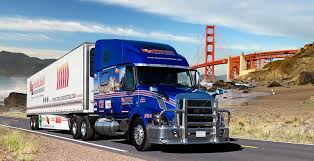
What Does “Trucking Companies That Run West Coast” Mean?
In practical terms, this phrase refers to carriers whose primary freight lanes operate along the western United States. Most West Coast operations include:
- Intrastate California routes
- Regional I-5 corridor runs (CA–OR–WA)
- Port drayage near Los Angeles, Long Beach, Oakland, Seattle, and Tacoma
- Dedicated retail and produce lanes
Unlike nationwide OTR fleets, these companies often provide regional consistency, faster turnarounds, and more home time.
Why West Coast Trucking Is in High Demand
Several factors make West Coast trucking especially attractive:
- Major ports handling imports from Asia
- Large population centers with constant freight needs
- Agricultural produce moving year-round
- E-commerce fulfillment hubs
Read too: Franklin Truck Parts Near Me: Your Complete Guide to Local Truck Parts & Repair Solutions
According to freight industry analyses, West Coast ports handle a significant share of U.S. container traffic, creating steady demand for regional and short-haul trucking. Background on U.S. freight movement can be found on Wikipedia:
https://en.wikipedia.org/wiki/Trucking_industry_in_the_United_States
Key West Coast Trucking Routes
Understanding routes helps you match a carrier to your lifestyle.
Core West Coast Corridors
- I-5: San Diego → Los Angeles → Sacramento → Portland → Seattle
- CA-99: Central Valley agricultural freight
- I-80 / I-15: West Coast to Mountain West connections
Common Freight Types
- Port containers
- Retail distribution
- Refrigerated produce
- Construction materials
Major Trucking Companies That Run West Coast
Below are some of the most recognized carriers with strong West Coast operations. Each company has different strengths, so the “best” option depends on your priorities.
Swift Transportation
One of the largest carriers in the U.S., Swift operates extensive California and West Coast regional fleets.
Highlights
- Dedicated West Coast lanes
- Regional and local options
- Consistent freight volume
Schneider National
Schneider is known for structured regional programs, including West Coast regional and dedicated accounts.
Highlights
- Predictable schedules
- Strong safety reputation
- Intermodal options near ports
Knight Transportation
Knight has a strong presence throughout California and neighboring states, focusing on efficient regional operations.
Highlights
- Competitive pay per mile
- Modern equipment
- Emphasis on driver productivity
CR England
Best known for refrigerated freight, CR England runs many West Coast temperature-controlled lanes.
Highlights
- Consistent reefer freight
- Strong presence in CA and the Pacific Northwest
- Year-round produce hauling
JB Hunt
JB Hunt dominates intermodal and dedicated accounts across the West Coast.
Highlights
- Port and rail-focused freight
- Shorter hauls with frequent home time
- Ideal for drivers preferring drop-and-hook
Regional vs OTR: Which Is Better on the West Coast?
Regional West Coast Trucking
Pros
- More home time
- Predictable routes
- Lower fatigue
Cons
- Slightly lower annual mileage
- Urban traffic congestion
OTR With West Coast Lanes
Pros
- Higher mileage potential
- Variety of routes
Cons
- Longer time away from home
- Less predictable schedules
Pay Expectations for West Coast Trucking
Pay varies by company, experience, and freight type.
Typical Ranges
- Regional West Coast drivers: $1,200–$1,600 per week
- Dedicated accounts: Often salary-based or guaranteed weekly pay
- Port drayage: Hourly or per-load, depending on operation
Factors affecting pay include:
- California labor regulations
- Fuel costs
- Port wait times
Company Drivers vs Owner-Operators on the West Coast
Company Drivers
- Stable income
- Benefits and insurance
- Less financial risk
Owner-Operators
- Higher earning potential
- Control over routes
- Responsible for compliance and costs
West Coast regulations—especially in California—make it essential to understand labor and emissions rules before choosing the owner-operator path.
How to Choose the Right West Coast Trucking Company
Follow these steps to make a smart decision.
Step 1: Define Your Priorities
- Home time
- Pay stability
- Equipment quality
Step 2: Match Freight to Lifestyle
- Port work = urban driving
- Produce = seasonal peaks
- Retail = consistent schedules
Step 3: Research Company Policies
- Detention pay
- Layover pay
- Maintenance support
Step 4: Talk to Current Drivers
Real-world feedback often reveals details recruiters don’t mention.
Common Challenges of West Coast Trucking
- Heavy traffic in metro areas
- Strict emissions standards
- Port congestion
- Higher cost of living in some regions
The upside is steady freight and long-term demand.
Benefits of Running West Coast Routes
- Strong job stability
- Regional predictability
- Diverse freight mix
- Opportunities for local and regional work
For many drivers, West Coast trucking offers the best balance between income and home life.
FAQ – Trucking Companies That Run West Coast (H2)
What are the best trucking companies that run West Coast routes?
Large carriers like Swift, Schneider, Knight, CR England, and JB Hunt all maintain strong West Coast operations.
Do West Coast trucking jobs offer good home time?
Yes. Many regional programs offer weekly or even daily home time, depending on the account.
Is pay higher on the West Coast?
Pay can be competitive, but costs and regulations—especially in California—affect overall earnings.
Are there local West Coast trucking jobs?
Yes. Port drayage, retail distribution, and regional delivery create many local opportunities.
Is West Coast trucking good for new drivers?
Yes. Many large carriers offer training and regional programs ideal for newer drivers.
Conclusion
Choosing among trucking companies that run West Coast routes comes down to matching your lifestyle goals with the right carrier and freight type. The West Coast offers some of the most consistent trucking opportunities in the country, driven by ports, agriculture, and dense population centers.
If this guide helped you understand West Coast trucking better, share it on social media so other drivers can make smarter career decisions too.
Leave a Reply