
If you operate a commercial truck or manage a fleet, understanding What Is The Taxable Gross Weight Of A Semi Truck is essential. Many truck owners are surprised to learn that taxes for heavy vehicles depend largely on their registered operating weight.
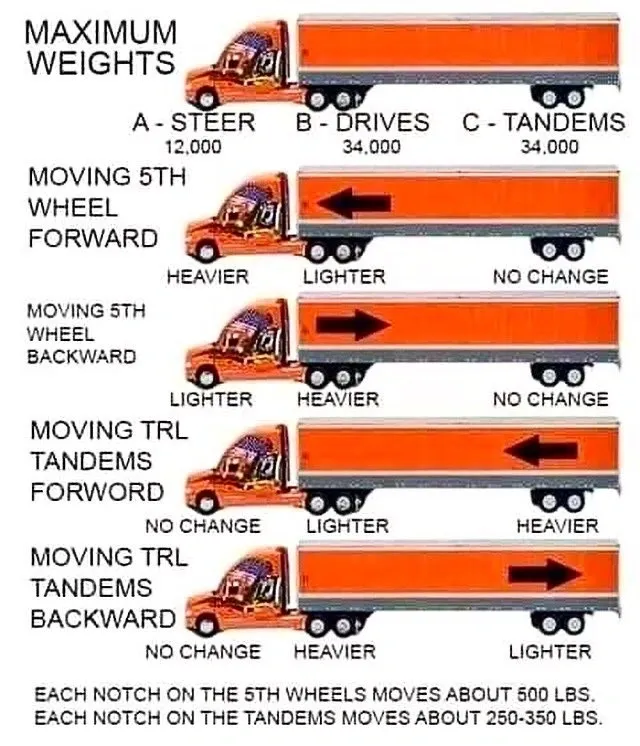
Knowing the taxable gross weight of a semi truck helps drivers comply with federal tax laws, avoid penalties, and accurately calculate transportation costs.
What Is The Taxable Gross Weight Of A Semi Truck?
The taxable gross weight of a semi truck refers to the maximum total weight a truck is registered to operate at, including the truck, trailer, cargo, fuel, and passengers.
This weight determines whether the vehicle is subject to the Heavy Vehicle Use Tax (HVUT) in the United States.
Read too: Box Truck Roll Up Door Replacement: Costs, Process, and What You Need to Know
According to federal tax guidelines, vehicles with a taxable gross weight of 55,000 pounds or more must generally pay HVUT annually.
Heavy trucks play a major role in freight transportation, which you can learn more about in this overview of the trucking industry:
https://en.wikipedia.org/wiki/Trucking_industry_in_the_United_States
Why Does Taxable Gross Weight Matter?
The taxable gross weight of a semi truck directly affects how much tax a truck owner must pay to operate on public highways.
Key Reasons It Matters
1. Determines tax liability
Vehicles over 55,000 pounds are required to pay federal HVUT.
2. Ensures road maintenance funding
Heavy trucks cause more wear on highways. Taxes help fund infrastructure repairs.
3. Affects registration and compliance
State motor vehicle departments often require proof of HVUT payment before registration.
4. Prevents penalties
Incorrect weight reporting can result in fines or rejected filings.
What Counts Toward Taxable Gross Weight?
Many people think taxable weight only includes the truck itself. In reality, it includes multiple components.
Taxable Gross Weight Includes
- Truck tractor weight
- Trailer weight
- Maximum cargo weight
- Fuel weight
- Additional equipment
- Passenger weight
Example Calculation
| Component | Weight |
|---|---|
| Truck tractor | 18,000 lbs |
| Trailer | 15,000 lbs |
| Maximum cargo | 35,000 lbs |
Total taxable gross weight: 68,000 lbs
This truck would fall within the HVUT taxable category.
Taxable Gross Weight vs Gross Vehicle Weight Rating
These two terms are often confused.
Comparison Table
| Term | Meaning |
|---|---|
| Taxable Gross Weight | Registered maximum operating weight for tax purposes |
| GVWR | Manufacturer’s maximum safe operating weight |
Key Difference
GVWR is determined by the manufacturer, while taxable gross weight is determined by registration and intended operating weight.
What Is the Heavy Vehicle Use Tax (HVUT)?
The Heavy Vehicle Use Tax (HVUT) is a federal tax imposed on heavy highway vehicles operating in the United States.
Truck owners report this tax using IRS Form 2290.
HVUT Basic Requirements
| Requirement | Details |
|---|---|
| Minimum taxable weight | 55,000 lbs |
| Tax filing form | IRS Form 2290 |
| Filing deadline | August 31 annually |
| Tax period | July 1 – June 30 |
HVUT Tax Rate Example
| Weight Category | Annual Tax |
|---|---|
| 55,000 lbs | $100 |
| 60,000 lbs | $200 |
| 70,000 lbs | $450 |
| 80,000 lbs | $550 |
The maximum tax typically applies at 75,000 pounds or more.
How to Calculate the Taxable Gross Weight of a Semi Truck
If you’re unsure how to determine taxable gross weight, follow this simple step-by-step process.
Step 1: Identify the Truck Weight
Check your truck’s weight specifications.
Example:
Truck tractor weight = 18,000 lbs
Step 2: Determine Trailer Weight
Most semi trailers weigh between:
- 10,000 – 15,000 pounds
Example:
Trailer weight = 14,000 lbs
Step 3: Estimate Maximum Cargo Weight
Cargo capacity depends on the truck type.
Example:
Cargo weight = 40,000 lbs
Step 4: Add All Components Together
Formula:
Taxable Gross Weight = Truck + Trailer + Cargo
Example:
| Component | Weight |
|---|---|
| Truck | 18,000 lbs |
| Trailer | 14,000 lbs |
| Cargo | 40,000 lbs |
Total = 72,000 lbs
Step 5: Confirm Registration Weight
Check your vehicle registration to confirm the declared operating weight.
This is the weight used for tax reporting.
Common Semi Truck Weight Limits
Most commercial trucks operate under federal highway weight limits.
Standard Federal Limits
| Truck Configuration | Maximum Weight |
|---|---|
| Single axle | 20,000 lbs |
| Tandem axle | 34,000 lbs |
| Gross vehicle weight | 80,000 lbs |
These limits help protect highways from excessive damage.
What Happens If You Report the Wrong Weight?
Incorrectly reporting your taxable gross weight of a semi truck can lead to several problems.
Possible Consequences
Financial penalties
The IRS may impose fines for inaccurate filings.
Registration delays
Many states require proof of HVUT payment before issuing registration.
Audits
Incorrect filings can trigger additional scrutiny.
Operational disruptions
Without proper documentation, trucks may be unable to legally operate.
Tips to Stay Compliant With Truck Weight Taxes
Understanding tax rules can prevent costly mistakes.
Helpful Compliance Tips
1. Keep accurate weight records
Maintain documentation for:
- vehicle registration
- trailer weights
- cargo limits
2. File IRS Form 2290 on time
The filing deadline is August 31 each year.
3. Use electronic filing
Many trucking companies use e-file systems for faster processing.
4. Work with a tax professional
Tax advisors experienced in trucking can help avoid errors.
Example Case Study: Owner-Operator Filing HVUT
Let’s look at a typical example.
Scenario
Truck type: Semi tractor with trailer
Registered weight: 80,000 lbs
Calculation
| Component | Weight |
|---|---|
| Truck | 18,500 lbs |
| Trailer | 14,500 lbs |
| Cargo capacity | 47,000 lbs |
Total taxable gross weight = 80,000 lbs
HVUT owed = $550 annually
This tax must be filed using IRS Form 2290.
FAQ About What Is The Taxable Gross Weight Of A Semi Truck
What is the taxable gross weight of a semi truck?
The taxable gross weight of a semi truck is the total maximum weight of the truck, trailer, cargo, and equipment used to determine federal highway taxes.
What is the minimum weight for HVUT tax?
The Heavy Vehicle Use Tax applies to vehicles with a taxable gross weight of 55,000 pounds or more.
How is taxable gross weight calculated?
Add together the weight of:
- the truck tractor
- the trailer
- the maximum cargo weight
The total equals the taxable gross weight.
What is IRS Form 2290?
IRS Form 2290 is the document used to report and pay the Heavy Vehicle Use Tax for trucks operating on public highways.
Do all semi trucks pay HVUT?
No. Only trucks with a taxable gross weight of 55,000 pounds or more are subject to HVUT.
What happens if you don’t pay HVUT?
Failure to pay HVUT may result in penalties, registration issues, and potential legal complications.
Conclusion
Understanding What Is The Taxable Gross Weight Of A Semi Truck is essential for truck owners, fleet managers, and owner-operators. This weight determines whether your vehicle must pay Heavy Vehicle Use Tax (HVUT) and helps ensure compliance with federal regulations.
By calculating your taxable gross weight accurately, filing IRS Form 2290 on time, and maintaining proper documentation, you can avoid penalties and keep your trucking business running smoothly.
If you found this guide helpful, consider sharing it on social media to help other truck owners better understand the taxable gross weight of a semi truck and stay compliant with tax regulations.
Leave a Reply