
Many homeowners rely on septic systems but rarely think about what happens after a septic tank is pumped. A common question people ask is “Where Do Septic Trucks Dump?” after collecting waste from homes or businesses.
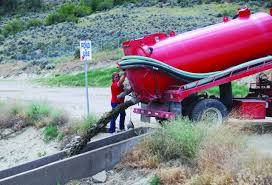
The answer is important because septic waste must be handled carefully to protect public health and the environment. In this guide, we’ll explain where septic trucks dispose of waste, how the process works, and why proper disposal is strictly regulated.
Read too: Top Trucking Companies That Still Have Manual Transmissions
Where Do Septic Trucks Dump?
The short answer to Where Do Septic Trucks Dump is that septic trucks typically dump collected waste at authorized wastewater treatment facilities.
These facilities are designed to safely treat sewage and remove harmful contaminants before releasing treated water back into the environment.
Common Septic Waste Disposal Locations
| Disposal Site | Description |
|---|---|
| Wastewater treatment plants | Most common location |
| Municipal sewage facilities | Local city treatment centers |
| Septage receiving stations | Facilities designed for septic trucks |
| Approved landfill treatment systems | Used in certain regions |
These locations ensure septic waste is treated properly before it enters natural water systems.
To learn more about wastewater treatment processes, visit:
https://en.wikipedia.org/wiki/Wastewater_treatment
What Happens After Septic Waste Is Collected?
When a septic truck pumps waste from a septic tank, the material inside the truck is called septage.
Septage is a mixture of:
- solid waste
- liquids
- bacteria
- organic material
- sludge
The truck transports this waste to a treatment facility where it goes through several processing stages.
Typical Septage Treatment Steps
- Screening
Large debris is removed from the waste.
- Primary treatment
Solid materials settle to the bottom of treatment tanks.
- Biological treatment
Microorganisms break down organic waste.
- Disinfection
Chemicals or UV light kill harmful bacteria.
- Water release
Treated water is released safely into rivers or reused.
This process protects drinking water supplies and ecosystems.
Why Septic Trucks Cannot Dump Anywhere
Septic waste contains harmful bacteria, pathogens, and pollutants.
Improper dumping can cause serious environmental problems.
Risks of Illegal Dumping
- groundwater contamination
- spread of disease
- pollution of rivers and lakes
- soil damage
- public health risks
Because of these dangers, septic waste disposal is heavily regulated by environmental agencies.
Regulations Governing Septic Waste Disposal
In the United States, septic waste disposal is regulated by federal, state, and local authorities.
Regulatory Agencies
- Environmental Protection Agency (EPA)
- state environmental departments
- local municipal wastewater authorities
These agencies ensure septic companies follow safe disposal practices.
Typical Regulations Include
- licensed septic pumping companies
- approved dumping facilities
- waste transport documentation
- environmental safety standards
Violating these regulations can result in heavy fines.
Types of Facilities That Accept Septic Waste
Not every wastewater treatment facility accepts septic waste.
Some facilities are specifically designed to handle septage disposal.
Septage Receiving Stations
These facilities are designed specifically for septic trucks.
Key features include:
- high-capacity intake systems
- pretreatment filters
- odor control systems
Municipal Wastewater Plants
Many cities allow septic trucks to dump waste at municipal plants.
These plants already treat large volumes of sewage.
Specialized Treatment Facilities
Some regions have dedicated septage processing plants.
These facilities may convert waste into fertilizer or biosolids.
How Septic Trucks Dispose of Waste
The dumping process is relatively straightforward but must follow strict procedures.
Step-by-Step Disposal Process
Step 1: Arrive at the disposal facility
The truck checks in with facility operators.
Step 2: Connect discharge hose
A large hose connects the truck tank to the receiving station.
Step 3: Pump out the septage
Hydraulic pumps empty the tank into the treatment system.
Step 4: Rinse the tank
Some facilities require tank cleaning before leaving.
Step 5: Documentation
Operators log the volume of waste dumped.
This ensures proper tracking and regulatory compliance.
How Much Waste Can a Septic Truck Hold?
Septic trucks are designed to carry large volumes of waste.
Typical Septic Truck Capacity
| Truck Type | Capacity |
|---|---|
| Small septic truck | 1,000 – 1,500 gallons |
| Standard septic truck | 2,000 – 3,000 gallons |
| Large commercial truck | 4,000 – 5,000 gallons |
The size depends on the service area and pumping needs.
Environmental Impact of Septic Waste
Proper septic waste management plays a major role in environmental protection.
Environmental Benefits of Proper Disposal
- protects groundwater supplies
- prevents bacterial contamination
- reduces pollution in lakes and rivers
- supports safe wastewater recycling
Many treatment plants convert treated waste into biosolids used for agriculture.
How Often Septic Tanks Need Pumping
Understanding septic maintenance helps reduce system failures.
Typical Pumping Schedule
| Household Size | Pumping Frequency |
|---|---|
| 1–2 people | Every 3–5 years |
| 3–4 people | Every 2–4 years |
| 5+ people | Every 1–3 years |
Regular pumping prevents tank overflow and costly repairs.
Signs Your Septic Tank Needs Pumping
Homeowners should watch for warning signs.
Common Indicators
- slow drains
- sewage odors
- wet spots in yard
- toilet backups
- gurgling pipes
Ignoring these signs can lead to septic system failure.
How Septic Companies Transport Waste Safely
Professional septic companies follow strict procedures.
Safety Measures
- sealed vacuum tanks
- licensed drivers
- spill prevention equipment
- GPS tracking of waste disposal
These measures ensure septic waste is transported safely from homes to treatment facilities.
Advantages vs Disadvantages of Septic Systems
Advantages
- independence from city sewer systems
- lower installation costs in rural areas
- environmentally sustainable when maintained
Disadvantages
- regular pumping required
- potential groundwater contamination if poorly maintained
- repair costs if the system fails
Proper maintenance greatly reduces these risks.
FAQ – Where Do Septic Trucks Dump?
Where do septic trucks dump waste?
Septic trucks typically dump waste at municipal wastewater treatment plants or approved septage disposal facilities.
Is septic waste dumped into the ocean?
No. Septic waste must be treated at authorized facilities before any water is released into the environment.
Can septic companies dump waste anywhere?
No. Disposal must occur at approved treatment facilities according to environmental regulations.
What is septage?
Septage is the mixture of liquid and solid waste pumped from septic tanks.
How much waste can a septic truck carry?
Most septic trucks carry 2,000 to 5,000 gallons of waste.
Is septic waste reused?
After treatment, some waste becomes biosolids used as fertilizer in agriculture.
Conclusion
Understanding Where Do Septic Trucks Dump helps homeowners see the important role septic services play in protecting public health and the environment.
Septic trucks collect waste from residential and commercial septic systems and transport it to authorized wastewater treatment plants or septage receiving stations. There, the waste is treated through advanced processes that remove harmful bacteria and pollutants.
Proper septic waste disposal keeps water supplies safe, protects ecosystems, and ensures communities remain healthy.
If you found this guide helpful, consider sharing it on social media so more homeowners can understand how septic waste management works and why it matters.
Leave a Reply