
If you drive or maintain a semi truck, understanding the air compressor on semi truck is critical for safety and performance. This component powers your air brakes, suspension systems, and other pneumatic devices. Failure to maintain the air compressor can lead to brake problems, reduced efficiency, and costly downtime.
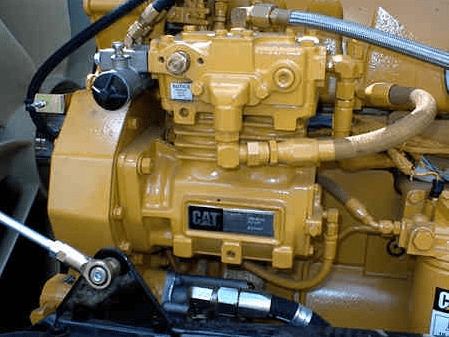
In this guide, we will explore how air compressors work on semi trucks, maintenance tips, cost considerations, and troubleshooting methods — all explained in a practical, beginner-friendly style.
Read too: Top Trucking Companies That Still Have Manual Transmissions
What Is an Air Compressor on a Semi Truck?
An air compressor is a device that converts mechanical energy from the engine into compressed air stored in tanks for use by the truck’s systems. In most heavy-duty trucks, it is a piston-driven or rotary screw compressor.
Key Functions:
- Powers air brake systems for stopping safely.
- Supplies air for suspension systems, including airbags.
- Operates pneumatic devices such as clutches, tools, and valves.
- Maintains consistent air pressure to avoid system failures.
According to Wikipedia, air compressors are crucial for both industrial and automotive applications, providing reliable pneumatic power where needed.
Types of Air Compressors on Semi Trucks
1. Single-Cylinder Piston Compressors
- Simple, reliable, and low maintenance.
- Best for trucks with standard air brake systems.
2. Two-Cylinder or Multi-Cylinder Compressors
- Provide higher volume and pressure for larger trucks.
- Suitable for tandem trailers or trucks with multiple air-powered devices.
3. Rotary Screw Compressors
- Continuous airflow, quieter operation.
- Preferred for long-haul trucks with heavy air demand.
How Air Compressors Work in Semi Trucks
Air compressors are engine-driven, usually connected via a belt or directly to the engine crankshaft. Here’s the process step by step:
- Engine powers the compressor.
- Compressor draws in atmospheric air.
- Air is compressed and pushed into air tanks.
- Pressure is regulated by a governor, typically between 90–120 psi.
- Compressed air powers brakes and other pneumatic systems.
Maintaining proper air pressure ensures that brakes respond correctly and other systems operate efficiently.
Maintenance Tips for Air Compressors
Proper maintenance can extend the lifespan of your air compressor and prevent costly breakdowns:
- Check Air Pressure Regularly: Ensure pressure is within the manufacturer’s recommended range.
- Drain Tanks Frequently: Moisture can accumulate and cause corrosion or freeze in cold weather.
- Inspect for Leaks: Hissing sounds indicate leaks in the compressor, lines, or fittings.
- Change Oil: For lubricated compressors, use manufacturer-specified oil and change at recommended intervals.
- Monitor Belt Tension: Drive belts powering the compressor must be tight and in good condition.
Common Problems and Troubleshooting
| Issue | Possible Cause | Solution |
|---|---|---|
| Low Air Pressure | Worn compressor, leaks, governor issue | Inspect compressor, tighten fittings, replace worn parts |
| Air Tank Moisture | Condensation accumulation | Drain tanks daily, install air dryer |
| Overheating | Improper lubrication or high ambient temperature | Check oil levels, allow cooling periods |
| Noisy Operation | Loose bolts, worn bearings | Tighten bolts, replace bearings if needed |
Understanding these common issues helps prevent brake failure and ensures safe operation on the road.
Cost Considerations for Semi Truck Air Compressors
The cost of replacing or repairing an air compressor depends on the type, labor rates, and truck model:
- Single-Cylinder Piston Compressor: $250–$500 parts + $150–$300 labor
- Multi-Cylinder Compressor: $500–$900 parts + $200–$400 labor
- Rotary Screw Compressor: $1,000–$1,500 parts + $300–$500 labor
Routine maintenance, including oil changes and leak checks, is much cheaper than full replacement and can save thousands in repair costs over a truck’s lifespan.
Installation and Replacement Guide (Step by Step)
- Safety First: Park truck on level ground, chock wheels, and disconnect the battery.
- Drain Air Tanks: Remove residual pressure to avoid injury.
- Disconnect Lines: Carefully detach air hoses and fittings connected to the compressor.
- Remove Compressor: Loosen bolts and remove old unit from engine mount.
- Inspect Mounting Bracket and Belt: Replace any worn belts or hardware.
- Install New Compressor: Securely mount the new compressor and reconnect air lines.
- Fill Oil (if applicable) and Reconnect Battery: Ensure proper lubrication.
- Test System: Start engine, build air pressure, and check for leaks or abnormal sounds.
Advantages and Disadvantages
| Advantages | Disadvantages |
|---|---|
| Ensures safe braking and operation | Replacement costs can be high |
| Powers multiple pneumatic systems | Requires regular maintenance |
| Long lifespan with proper care | Troubleshooting can be complex for beginners |
| Enhances truck efficiency and safety | Downtime if compressor fails on road |
FAQ Section
Q1: How often should an air compressor on a semi truck be serviced?
Inspect and maintain every 20,000–30,000 miles, or sooner if signs of wear or leaks appear.
Q2: Can I operate a truck if the air compressor fails?
No, air brakes rely on the compressor. Operating without proper air pressure is unsafe and illegal.
Q3: What is the typical lifespan of a semi truck air compressor?
With proper maintenance, most compressors last 500,000–700,000 miles.
Q4: Are all semi truck compressors lubricated?
No. Some use oil-lubricated pistons, while others are oil-free. Lubrication requirements vary.
Q5: What are signs of air compressor failure?
Common signs include low air pressure, excessive noise, leaks, or slow build-up of air. Immediate inspection is recommended.
Q6: Can aftermarket compressors replace OEM units?
Yes, but ensure the compressor meets specifications for your truck’s make and model. OEM units are preferred for reliability.
Conclusion
The air compressor on semi truck is a critical component for safety, performance, and operational efficiency. Proper maintenance, regular inspections, and understanding costs can save truck drivers and fleet managers time, money, and potential accidents. Investing in quality parts and timely service ensures that your truck’s pneumatic systems, especially brakes, operate reliably for years to come.
Share this guide with fellow drivers and fleet operators to help them maintain safe, efficient trucks and avoid costly downtime.
Leave a Reply