
Buying or selling a commercial truck involves more than just exchanging money and keys. A Bill Of Sale Semi Truck is a critical legal document that records the transfer of ownership between the buyer and seller.
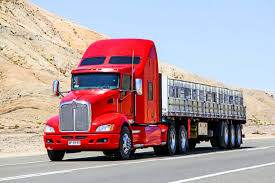
Whether you’re an owner-operator, trucking company, or private buyer, understanding how a Bill Of Sale Semi Truck works helps protect both parties and ensures the transaction is legally valid.
Read too: Top Trucking Companies That Still Have Manual Transmissions
What Is a Bill Of Sale Semi Truck?
A Bill Of Sale Semi Truck is a written document that confirms the sale of a semi truck from one party to another. It outlines the details of the transaction and acts as proof that ownership has changed hands.
This document is commonly used when:
- selling a used semi truck
- purchasing a commercial truck privately
- transferring truck ownership between businesses
- registering a vehicle with the Department of Motor Vehicles (DMV)
A bill of sale is a legally recognized record used in many types of property transactions. You can learn more about the concept here:
https://en.wikipedia.org/wiki/Bill_of_sale
Why Is a Semi Truck Bill of Sale Important?
A Bill Of Sale Semi Truck serves several important purposes for both the buyer and seller.
Legal Protection
The document proves that the buyer legally purchased the truck and that the seller transferred ownership.
Proof of Payment
It records the exact purchase price, preventing disputes about payment later.
Required for Vehicle Registration
In many U.S. states, a bill of sale is required when registering a truck with the DMV.
Financial Documentation
Businesses often use bills of sale for accounting, taxes, and asset records.
Key Information Included in a Bill Of Sale Semi Truck
A properly written Bill Of Sale Semi Truck should include several essential details.
Here is a breakdown of the most important elements.
| Section | Description |
|---|---|
| Buyer Information | Name, address, contact details |
| Seller Information | Name and address of seller |
| Vehicle Details | Make, model, year, VIN |
| Purchase Price | Total amount paid |
| Payment Method | Cash, transfer, financing |
| Date of Sale | Official transaction date |
| Signatures | Buyer and seller signatures |
Without these details, the document may not be legally valid in some states.
Vehicle Details Required in the Document
Because semi trucks are commercial vehicles, accurate identification is crucial.
Typical vehicle details include:
- Vehicle Identification Number (VIN)
- make and model
- year of manufacture
- odometer reading
- engine type
- license plate number
The VIN is especially important because it uniquely identifies the truck.
Average Value of Used Semi Trucks
When preparing a Bill Of Sale Semi Truck, the sale price must be documented.
Used semi truck prices vary widely depending on condition and age.
| Truck Condition | Average Price |
|---|---|
| Older trucks (10+ years) | $15,000 – $35,000 |
| Mid-range trucks | $40,000 – $80,000 |
| Newer trucks | $90,000 – $150,000 |
Fleet buyers and independent drivers often negotiate prices based on mileage and maintenance history.
Step-by-Step: How to Write a Bill Of Sale Semi Truck
Creating a proper bill of sale is straightforward if you follow a structured process.
Step 1: Write Buyer and Seller Information
Include the following details:
- full legal names
- addresses
- phone numbers
This identifies the parties involved in the transaction.
Step 2: Describe the Semi Truck
List all vehicle information clearly.
Example format:
- Make: Freightliner
- Model: Cascadia
- Year: 2018
- VIN: 1FUJGLDR5JLXXXXXX
- Odometer: 420,000 miles
Accurate details help avoid disputes later.
Step 3: State the Sale Price
Include the exact purchase amount.
Example:
Purchase price: $65,000
Also include payment method such as:
- bank transfer
- cashier’s check
- cash payment
Step 4: Add “As-Is” Statement
Most used truck sales include an “as-is” clause.
Example statement:
“The vehicle is sold as-is without warranties unless otherwise stated.”
This protects the seller from future claims.
Step 5: Include Date and Signatures
Both parties should sign the document.
Include:
- printed names
- signatures
- transaction date
Some states also require notarization.
Sample Bill Of Sale Semi Truck Template
Here is a simplified example.
Bill Of Sale – Semi Truck
Seller Name: John Smith
Address: 123 Truck Lane, Dallas, TX
Buyer Name: David Miller
Address: 456 Highway Ave, Phoenix, AZ
Vehicle Information:
- Make: Kenworth
- Model: T680
- Year: 2019
- VIN: XXXXXXXX
Sale Price: $72,000
Payment Method: Bank Transfer
Condition: Vehicle sold as-is without warranty.
Seller Signature: __________
Buyer Signature: __________
Date: __________
Advantages vs Disadvantages of Using a Bill of Sale
Advantages
Legal protection
Provides proof of ownership transfer.
Clear financial record
Documents the agreed sale price.
Required for registration
Helps complete DMV paperwork.
Disadvantages
Must be accurate
Incorrect information can delay registration.
Not always enough alone
Some states require additional documents such as title transfer forms.
Tips When Buying or Selling a Semi Truck
A semi truck purchase often involves tens of thousands of dollars. Careful documentation is essential.
1. Verify the VIN
Always check that the VIN matches the truck title and registration.
2. Inspect the Truck
A professional inspection can reveal hidden problems.
Common checks include:
- engine condition
- brake systems
- transmission
- suspension
3. Keep Copies of Documents
Both buyer and seller should keep copies of:
- bill of sale
- title transfer
- payment records
4. Confirm State Requirements
Each U.S. state may have slightly different requirements for vehicle sales.
Checking DMV rules before the transaction can prevent delays.
FAQ About Bill Of Sale Semi Truck
Is a bill of sale required for a semi truck?
In many states, yes. A bill of sale helps prove ownership transfer and is often required for DMV registration.
What information must be included in a semi truck bill of sale?
It should include buyer and seller information, truck details, VIN number, purchase price, and signatures.
Does a bill of sale need to be notarized?
Some states require notarization, while others do not. It’s best to check local regulations.
Can I write my own bill of sale?
Yes. As long as it includes all required information, a simple written document can serve as a valid bill of sale.
Is a bill of sale the same as a title?
No. A bill of sale records the transaction, while the vehicle title proves ownership.
What happens if a bill of sale is missing?
Without a bill of sale, registering or transferring ownership of the truck may become difficult.
Conclusion
A Bill Of Sale Semi Truck is one of the most important documents in any commercial truck transaction. It records the details of the sale, protects both buyer and seller, and helps ensure the vehicle can be legally registered.
By including accurate vehicle information, purchase price, and signatures, you can create a valid document that simplifies the entire ownership transfer process.
If you found this guide helpful, consider sharing it on social media so other truck owners and buyers can learn how to complete a semi truck bill of sale correctly.
Leave a Reply