
Operating a bucket truck is high-risk work that leaves no room for shortcuts. Many companies struggle not only with training operators, but also with finding qualified instructors who can train others consistently. A Bucket Truck Train The Trainer program solves this problem by preparing experienced operators to become certified trainers—improving safety, compliance, and long-term cost efficiency.
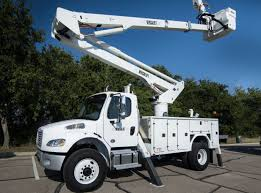
What Is Bucket Truck Train The Trainer?
Bucket Truck Train The Trainer is a specialized safety and instructional program designed to teach experienced bucket truck operators how to train and certify others. Instead of relying on outside trainers for every class, companies develop in-house instructors who understand both regulations and real-world job conditions.
Read too: Franklin Truck Parts Near Me: Your Complete Guide to Local Truck Parts & Repair Solutions
Core Purpose of the Program
- Create qualified internal trainers
- Standardize bucket truck safety training
- Reduce accidents and liability
- Ensure regulatory compliance
This model is widely used in utilities, telecommunications, construction, and municipal operations.
Why Is Train The Trainer Important for Bucket Truck Safety?
Bucket trucks—also known as aerial lift trucks—are involved in some of the most serious workplace incidents when improperly operated.
Key Risk Factors
- Falls from elevation
- Electrocution near power lines
- Tip-overs due to improper setup
- Equipment misuse or overload
According to safety studies, employers with structured internal training programs experience significantly fewer serious incidents than those relying on informal, on-the-job instruction.
A Train The Trainer approach ensures that knowledge is passed on correctly, consistently, and repeatedly.
Who Should Take a Bucket Truck Train The Trainer Course?
Not every operator should become a trainer. The program is designed for experienced, safety-focused personnel.
Ideal Candidates
- Senior bucket truck operators
- Safety managers or supervisors
- Crew leads and foremen
- Fleet or training coordinators
Typical Prerequisites
- Proven experience operating bucket trucks
- Strong understanding of job-site safety
- Good communication skills
- Respect from peers
📌 Train The Trainer programs focus as much on teaching skills as technical knowledge.
What Does a Bucket Truck Train The Trainer Program Cover?
A high-quality program combines technical instruction, safety standards, and adult learning principles.
1. Bucket Truck Fundamentals (Review & Standardization)
Even experienced operators benefit from structured review.
Topics include:
- Types of bucket trucks and aerial devices
- Load limits and stability principles
- Outriggers and setup procedures
- Weather and ground condition assessment
This ensures all trainers teach the same correct methods, not personal habits.
2. Safety Regulations and Compliance
Trainers must understand why rules exist—not just enforce them.
Covered standards typically include:
- OSHA aerial lift requirements
- Employer safety responsibilities
- Operator qualification documentation
For a general overview of aerial lift concepts, you can reference Wikipedia:
👉 https://en.wikipedia.org/wiki/Aerial_work_platform
Understanding regulations helps trainers explain safety rules clearly and confidently.
3. Electrical Hazard Awareness
One of the most critical modules.
Key topics:
- Minimum approach distances
- Insulated vs non-insulated booms
- Grounding and bonding principles
- Emergency response to electrical contact
📊 Electrical incidents remain among the leading causes of fatal bucket truck accidents, making this section essential.
4. Inspection and Maintenance Training
Trainers learn how to teach pre-operation inspections, including:
- Hydraulic systems
- Controls and emergency descent
- Structural components
- Fall protection anchor points
Well-trained inspectors catch issues early, reducing downtime and failures.
5. Fall Protection and PPE Instruction
Train The Trainer programs emphasize how to teach PPE use, not just require it.
Covered elements:
- Harness and lanyard selection
- Proper tie-off methods
- Inspection of fall protection gear
- Common misuse examples
Correct fall protection training can reduce serious injuries by over 40%, according to safety industry data.
How Does the “Train The Trainer” Model Work?
Step-by-Step Overview
- Select qualified candidates
- Complete formal Train The Trainer course
- Demonstrate technical and teaching competence
- Receive trainer certification
- Conduct internal operator training
- Evaluate and document operator performance
This creates a self-sustaining training system within the organization.
Classroom vs Hands-On Training: Why Both Matter
Classroom Training
- Covers theory and regulations
- Explains hazards and case studies
- Standardizes procedures
Hands-On Training
- Reinforces correct operation
- Tests real-world judgment
- Builds confidence
| Training Type | Purpose | Importance |
|---|---|---|
| Classroom | Knowledge & rules | High |
| Hands-on | Skill & behavior | Critical |
The best Train The Trainer programs balance both.
Benefits of Bucket Truck Train The Trainer Programs
Advantages vs Challenges
| Benefits | Challenges |
|---|---|
| Fewer accidents | Initial training cost |
| Stronger safety culture | Time commitment |
| Lower long-term costs | Trainer accountability |
| Faster onboarding | Requires ongoing refreshers |
Over time, most organizations find that internal trainers save money and improve safety consistency.
How Long Does Bucket Truck Train The Trainer Certification Take?
Program length varies by provider and depth.
Typical Timeframes
- Classroom instruction: 1–2 days
- Hands-on evaluation: 1 day
- Total duration: 2–3 days
Some programs include refresher or recertification every 2–3 years.
How Much Does Bucket Truck Train The Trainer Cost?
Typical Cost Range (US)
| Training Type | Estimated Cost |
|---|---|
| Per participant | $800–$1,500 |
| On-site group training | $3,000–$7,000 |
📌 Many employers recover this cost quickly through reduced incidents, fewer shutdowns, and lower insurance exposure.
In-House Trainers vs External Trainers
Comparison Table
| Factor | In-House Trainer | External Trainer |
|---|---|---|
| Cost over time | ✅ Lower | ❌ Higher |
| Familiar with job sites | ✅ Yes | ⚠️ Limited |
| Scheduling flexibility | ✅ High | ❌ Limited |
| Initial setup | ⚠️ Required | ✅ None |
Most large fleets use a hybrid model: internal trainers supported by periodic external audits.
How to Maintain Trainer Quality Over Time
Training doesn’t stop after certification.
Best Practices
- Annual trainer refreshers
- Peer observation and feedback
- Incident-based retraining
- Updated regulatory reviews
Strong trainer oversight ensures training quality doesn’t degrade over time.
Common Mistakes in Bucket Truck Training Programs
Avoid these issues:
- ❌ Promoting trainers without teaching skills
- ❌ Skipping hands-on evaluations
- ❌ Poor documentation
- ❌ Treating training as a one-time event
Training is a process—not a checkbox.
Documentation and Recordkeeping
Train The Trainer programs emphasize proper documentation, including:
- Trainer credentials
- Operator evaluations
- Practical skills checklists
- Refresher training records
Good records protect both employees and employers during audits or investigations.
FAQ: Bucket Truck Train The Trainer
❓ What is Bucket Truck Train The Trainer?
It is a program that certifies experienced operators to become qualified instructors who train other bucket truck operators.
❓ Is Train The Trainer required by OSHA?
OSHA requires competent training but does not mandate a specific Train The Trainer program. However, it is widely recognized as best practice.
❓ How often do trainers need recertification?
Most organizations refresh trainer credentials every 2–3 years or after major regulatory changes.
❓ Can small companies benefit from Train The Trainer?
Yes. Even small fleets gain consistency, safety, and cost savings from internal trainers.
❓ Does Train The Trainer reduce accidents?
Yes. Structured internal training is strongly linked to lower incident and injury rates.
Conclusion
A Bucket Truck Train The Trainer program is one of the most effective ways to improve safety, consistency, and compliance in aerial lift operations. By developing skilled internal instructors, organizations reduce accidents, strengthen safety culture, and gain long-term operational control.
🔧 If this article helped you understand Train The Trainer programs, share it with safety managers, supervisors, or anyone responsible for bucket truck operations.
Leave a Reply