
Running out of fuel mid-job or during a long haul is costly and stressful. That’s why many truck owners look for a Diesel Tank for Truck Bed 100 Gallon to extend range, improve efficiency, and reduce fuel stops. In this guide, you’ll learn exactly how 100-gallon truck bed diesel tanks work, what to look for before buying, and how to install and use them safely in the US.
What Is a Diesel Tank for Truck Bed 100 Gallon?
One of the most common People Also Ask questions is simple: What exactly is a truck bed diesel tank?
Read too: Top Trucking Companies That Still Have Manual Transmissions
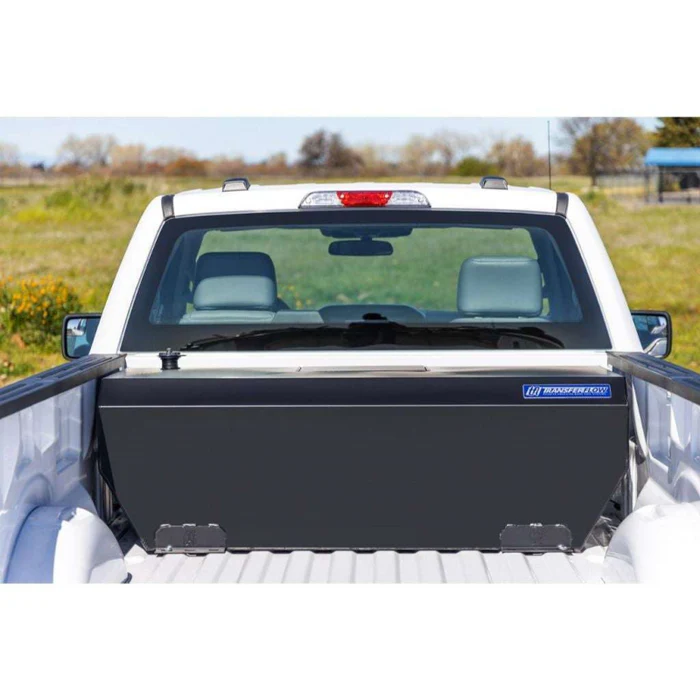
A Diesel Tank for Truck Bed 100 Gallon is an auxiliary fuel tank mounted inside a pickup or flatbed truck bed. It supplies diesel fuel to the main vehicle tank, either manually or automatically, allowing drivers to travel longer distances without refueling.
Key purpose:
- Extend driving range
- Reduce downtime
- Support heavy-duty or remote operations
A 100-gallon capacity is considered large-scale, typically used by contractors, farmers, hotshot drivers, and fleet operators.
Why Choose a 100-Gallon Diesel Tank for a Truck Bed?
Many users ask: Why not a smaller tank?
The 100-gallon size offers a balance between maximum range and practical truck-bed use.
Main advantages
- Extended range: Up to 1,000–1,500 extra miles (depending on MPG)
- Fewer fuel stops: Saves time and improves productivity
- Bulk fuel savings: Buy diesel when prices are lower
- Ideal for remote work: Farms, oil fields, construction sites
According to logistics cost studies, reducing refueling stops can improve operational efficiency by 10–15% on long-distance or job-site operations.
Who Should Use a Diesel Tank for Truck Bed 100 Gallon?
A 100-gallon tank is not for everyone. It’s best suited for:
- Hotshot and regional truck drivers
- Construction and utility contractors
- Farm and ranch operators
- Fleet service vehicles
- Emergency or backup fuel users
For light daily commuting, a smaller tank may be more practical.
Types of 100-Gallon Truck Bed Diesel Tanks
Another frequent question: Are all diesel tanks the same?
1. Transfer tanks
These are designed to transfer fuel to other equipment or vehicles.
- Often include pumps and hoses
- Common on job sites
2. Auxiliary fuel tanks
These connect directly to the truck’s fuel system.
- Automatically feed the main tank
- Ideal for long-distance driving
3. Combo tank/toolbox units
- Fuel tank combined with lockable storage
- Saves bed space
- Popular with contractors
Material Options: Aluminum vs Steel
Choosing the right material is critical.
Aluminum tanks
Pros
- Lightweight
- Corrosion-resistant
- Better fuel economy impact
Cons
- Higher upfront cost
Steel tanks
Pros
- Extremely durable
- Lower purchase price
Cons
- Heavier
- Requires corrosion protection
👉 For most modern pickups, aluminum tanks are the preferred choice.
Diesel Tank for Truck Bed 100 Gallon: Pros and Cons
Advantages
- ✔ Maximum fuel capacity in a single tank
- ✔ Reduced downtime and refueling trips
- ✔ Improved job-site efficiency
- ✔ Strong resale value
Disadvantages
- ✖ Heavy when full (diesel weighs ~7 lbs per gallon)
- ✖ Reduces available bed space
- ✖ Requires proper mounting and compliance
A full 100-gallon tank can weigh 700+ pounds including the tank, so payload capacity must be considered.
How Much Does a 100-Gallon Diesel Truck Bed Tank Cost?
Pricing is a top concern for buyers.
Typical US price ranges:
- Steel tank (manual): $700 – $1,000
- Aluminum tank: $1,100 – $1,600
- With pump & accessories: $1,400 – $2,000+
Higher prices usually reflect better weld quality, thicker material, and DOT-compliant designs.
Installation Guide: Diesel Tank for Truck Bed 100 Gallon
Many users ask: Can I install it myself?
Yes, if you follow proper steps and safety rules.
Step 1: Verify payload capacity
- Check your truck’s GVWR and payload rating
- Account for fuel weight and tank weight
Step 2: Position the tank
- Place tank against the cab wall
- Ensure even weight distribution
Step 3: Secure mounting
- Use grade-8 bolts or mounting kits
- Tighten to manufacturer torque specs
Step 4: Connect fuel system
- Auxiliary tanks may use gravity-feed or electronic transfer
- Follow manufacturer instructions precisely
Step 5: Test for leaks
- Add 5–10 gallons first
- Inspect fittings before filling completely
⏱ Installation time: 1–3 hours
🔧 Skill level: Intermediate
Safety and Legal Considerations in the US
Another high-intent question is: Are truck bed diesel tanks legal?
Yes—but only when properly designed and installed.
Key safety rules:
- Must be DOT-approved
- Diesel only (gasoline tanks have stricter rules)
- Proper venting required
- Secure mounting is mandatory
General information about diesel fuel and storage can be found on Wikipedia.org:
https://en.wikipedia.org/wiki/Diesel_fuel
Fuel Efficiency and Performance Impact
Adding a 100-gallon tank increases vehicle weight, which can slightly reduce MPG.
Typical impact:
- Empty tank: negligible change
- Full tank: 1–3% MPG reduction
However, fewer refueling stops often offset this efficiency loss.
Common Mistakes to Avoid
Many buyers regret their purchase due to avoidable errors.
❌ Ignoring payload limits
❌ Buying non-certified tanks
❌ Poor mounting hardware
❌ No anti-siphon protection
These mistakes can lead to safety risks, fines, or fuel loss.
Maintenance Tips for Long-Term Use
A diesel tank is low-maintenance, but not maintenance-free.
Best practices:
- Inspect mounts every 3 months
- Drain water contamination annually
- Clean vents and caps regularly
- Check seals and fittings
With proper care, a quality tank can last 10–20 years.
Diesel Tank vs Portable Fuel Containers
Some users ask: Why not just use portable fuel cans?
Truck bed diesel tank
- ✔ Higher capacity
- ✔ Safer mounting
- ✔ Easier fueling
Portable containers
- ✔ Lower upfront cost
- ✖ Limited capacity
- ✖ Higher spill risk
For professional use, a fixed tank is the safer and more efficient option.
FAQ: Diesel Tank for Truck Bed 100 Gallon
Is a 100-gallon diesel tank too big for a pickup truck?
Not if your truck’s payload capacity supports it and the tank is properly mounted.
Can a diesel tank feed directly into my truck’s fuel system?
Yes, if it is designed as an auxiliary fuel tank with proper connections.
Does a truck bed diesel tank affect resale value?
Often yes—well-installed tanks can increase resale value for work trucks.
How long does 100 gallons of diesel last?
At 10 MPG, roughly 1,000 miles of additional range.
Is aluminum better than steel?
For most users, aluminum offers better corrosion resistance and lower weight.
Conclusion
A Diesel Tank for Truck Bed 100 Gallon is a powerful upgrade for drivers who need extended range, fewer fuel stops, and greater job-site efficiency. By choosing the right material, following safety guidelines, and installing it correctly, you can turn your truck into a more capable and cost-effective work machine.
If this guide helped you, share it on social media so other truck owners can make informed, confident decisions.
Leave a Reply