
A blown tire on a semi truck doesn’t just slow you down—it can cost hundreds or even thousands of dollars in lost time, missed deliveries, and safety risks. That’s where Mobile Semi Truck Tire Service becomes critical. Whether you’re an owner-operator or fleet manager, having fast, reliable roadside tire support can mean the difference between a short delay and a major disruption.
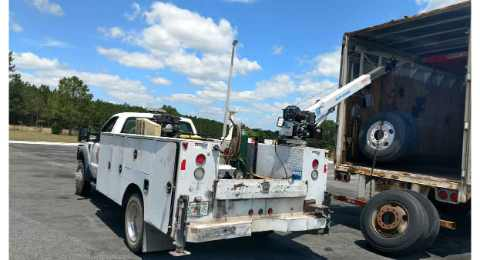
This guide explains how mobile truck tire services work, what they cost, what to expect during service, and how to choose the right provider in the United States.
Read too: Top Trucking Companies That Still Have Manual Transmissions
Mobile Semi Truck Tire Service: What Is It and How Does It Work?
Mobile Semi Truck Tire Service refers to on-site tire repair or replacement for commercial trucks, delivered directly to your location—highway shoulder, rest stop, job site, or warehouse yard.
Instead of towing your truck to a shop, a fully equipped service truck arrives with:
- Commercial-grade replacement tires
- Hydraulic jacks rated for 20,000+ lbs
- Air compressors (150–175 PSI capacity)
- Torque wrenches calibrated to manufacturer specs
- Tire balancing equipment (when applicable)
Why It Matters
According to industry estimates, roadside breakdowns cost fleets an average of $400–$760 per incident, excluding missed contracts or penalties. Tires account for a significant portion of roadside service calls.
Reducing downtime is the primary goal.
What Services Are Included in Mobile Semi Truck Tire Service?
Most providers offer:
1. Emergency Tire Replacement
If a tire is shredded or sidewall-damaged, it must be replaced immediately.
2. Tire Repair (When Safe)
Punctures in the tread area may be repaired if they meet safety standards.
3. Tire Pressure Service
Improper PSI is a major cause of blowouts. Technicians adjust pressure to recommended levels (typically 95–110 PSI for many commercial applications, depending on load).
4. Valve Stem and Air Leak Repair
Slow leaks are often caused by faulty valves or bead damage.
5. Mounting and Dismounting
Includes proper torque tightening (commonly 450–500 ft-lbs for many semi truck lug nuts).
When Should You Call a Mobile Tire Service?
Drivers often ask: Can I keep driving on a low tire?
The answer is simple: No.
Call a mobile service if you notice:
- Rapid air loss
- Bulging sidewalls
- Tread separation
- Excessive vibration
- Visible cord exposure
Driving on a compromised tire can lead to catastrophic failure.
How Long Does a Mobile Semi Truck Tire Service Take?
Service time depends on the issue.
| Service Type | Average Time |
|---|---|
| Tire inspection | 15–20 minutes |
| Simple repair | 30–45 minutes |
| Full replacement | 45–90 minutes |
Response time varies by region but typically ranges between 30–90 minutes in metropolitan areas.
What Does Mobile Semi Truck Tire Service Cost?
Pricing depends on:
- Tire size (e.g., 295/75R22.5)
- Location (urban vs rural)
- Time (after-hours fees apply)
- Type of tire (premium vs budget)
Average Cost Breakdown
| Service | Estimated Cost |
|---|---|
| Service call fee | $75–$150 |
| Tire replacement | $350–$800 |
| Repair | $50–$120 |
| After-hours surcharge | $50–$200 |
Premium commercial tires cost more but often last longer and improve fuel efficiency.
Why Do Semi Truck Tires Fail?
Understanding causes helps prevent breakdowns.
Top Causes:
- Underinflation
- Overloading
- Poor alignment
- Road hazards
- Heat buildup
According to transportation safety studies, underinflated tires can reduce tire life by up to 25%.
You can learn more about commercial tire design here:
https://en.wikipedia.org/wiki/Tire
Step-by-Step: What Happens During a Mobile Tire Service Call?
Knowing the process reduces stress.
Step 1: Dispatch and Location Confirmation
You provide:
- Exact GPS location
- Tire size
- Axle position
- Type of issue
Step 2: Safety Setup
Technician places:
- Reflective triangles (10 ft, 100 ft, 200 ft spacing recommended)
- Wheel chocks
- High-visibility cones
Step 3: Inspection
The technician checks:
- Remaining tread depth
- Bead integrity
- Rim damage
- Brake components (visual only)
Step 4: Repair or Replacement
If repairable:
- Remove object
- Plug and patch (industry-approved method)
- Reinflate to correct PSI
If replacing:
- Remove lug nuts
- Mount new tire
- Torque to manufacturer spec
- Recheck torque after inflation
Step 5: Final Safety Check
- Pressure verification
- Leak test
- Visual inspection
You’re back on the road.
Mobile Service vs Shop Repair: Which Is Better?
| Mobile Service | Repair Shop |
|---|---|
| No towing required | May require tow |
| Faster response | Possibly cheaper |
| On-location repair | More equipment available |
| Ideal for emergencies | Better for scheduled service |
For emergency breakdowns, mobile service is usually the smarter choice.
How to Choose the Right Mobile Tire Provider
Not all services are equal.
Look for:
- 24/7 availability
- DOT-compliant procedures
- Transparent pricing
- Nationwide network (for fleets)
- Positive reviews
Ask:
- Do you carry my tire size?
- What is your ETA?
- Is torque verified to spec?
Preventative Maintenance Tips
Prevention reduces roadside emergencies.
Daily Pre-Trip Checklist:
- Inspect tread depth (minimum 4/32” steer axle, 2/32” drive axle recommended)
- Check visible cracks
- Confirm proper inflation
- Inspect for embedded objects
Monthly Maintenance:
- Alignment check
- Tire rotation (if applicable)
- Balance inspection
Investing in routine maintenance can reduce breakdown frequency significantly.
FAQ: Mobile Semi Truck Tire Service
How fast can a mobile semi truck tire service arrive?
Response times vary but typically range from 30–90 minutes in populated areas.
Can a semi truck tire always be repaired?
No. Sidewall damage and large tread separations require full replacement.
Do mobile services operate 24/7?
Most reputable providers offer 24/7 emergency roadside support.
What tire sizes do they carry?
Common sizes like 295/75R22.5 and 11R22.5 are typically stocked.
Is roadside tire repair safe?
Yes, when performed by trained technicians following DOT safety standards.
How can I reduce tire blowouts?
Maintain proper inflation, avoid overloading, and perform daily inspections.
Conclusion
Breakdowns happen—but they don’t have to derail your entire operation. Mobile Semi Truck Tire Service provides fast, on-site solutions that reduce downtime, protect your cargo schedule, and keep drivers safe.
By understanding costs, service expectations, and preventative strategies, you can minimize disruptions and extend the life of your commercial tires.
If this guide helped you better understand roadside truck tire solutions, share it with other drivers or fleet managers who could benefit from reliable mobile service knowledge.
Leave a Reply