
When your commercial truck needs a replacement part, downtime isn’t just inconvenient—it’s expensive. That’s why many fleet operators and independent drivers search for North Jersey Truck Center Parts to find reliable components quickly and keep their vehicles on the road.
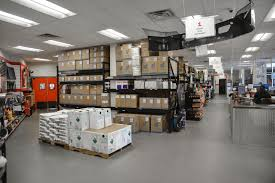
Whether you’re maintaining a single diesel truck or managing an entire fleet, this complete guide explains what parts are typically available, how to order efficiently, how to choose between OEM and aftermarket options, and how to minimize costly delays.
What Are North Jersey Truck Center Parts?


4
North Jersey Truck Center Parts typically refers to the parts department of a commercial truck dealership or heavy-duty service center located in Northern New Jersey. These centers usually support:
- Class 7 and Class 8 trucks
- Fleet vehicles
- Diesel-powered commercial vehicles
- Medium-duty delivery trucks
Read too: Top Trucking Companies That Still Have Manual Transmissions
For background on U.S. truck classifications, see:
https://en.wikipedia.org/wiki/Truck_classification
Class 8 trucks, for example, have a gross vehicle weight rating (GVWR) of over 33,000 pounds.
What Types of Parts Are Usually Available?
Most truck centers stock both high-demand and specialty components.
1. Engine Components
- Fuel injectors
- Turbochargers
- EGR valves
- Gaskets and seals
- Oil filters and air filters
Diesel engine parts are among the most frequently ordered components.
2. Brake System Parts
Heavy-duty trucks rely on air brake systems.
Common parts include:
- Brake chambers
- Air compressors
- Rotors and pads
- Slack adjusters
- Air lines
Brake systems are heavily regulated and require regular maintenance.
3. Suspension and Steering Components
- Leaf springs
- Shock absorbers
- Kingpins
- Tie rods
- Bushings
Suspension systems endure constant stress from heavy loads.
4. Electrical and Lighting Parts
- Alternators
- Starters
- Wiring harnesses
- Headlights and marker lights
- Sensors and modules
Modern trucks rely heavily on electronic control systems.
OEM vs Aftermarket Parts: Which Should You Choose?
One of the most common questions about North Jersey Truck Center Parts is whether to choose OEM (Original Equipment Manufacturer) or aftermarket parts.
OEM Parts
✔ Exact manufacturer specifications
✔ Warranty-backed
✔ Guaranteed compatibility
Aftermarket Parts
✔ Lower cost
✔ Wider availability
✔ Sometimes improved performance options
| Feature | OEM | Aftermarket |
|---|---|---|
| Price | Higher | Lower |
| Fit | Exact | Varies |
| Warranty | Strong | Varies |
| Availability | Dealer-based | Broad |
For critical components like engine or transmission parts, many fleet operators prefer OEM.
How to Order Truck Parts Efficiently
Downtime can cost $500–$1,000+ per day per truck. Follow these steps to reduce delays:
Step 1: Gather Vehicle Information
Have ready:
- VIN number
- Engine model
- Transmission type
- Year, make, model
Accurate identification prevents ordering errors.
Step 2: Identify the Exact Part Number
Using incorrect parts causes:
- Installation delays
- Return shipping costs
- Extended downtime
Always verify part numbers before ordering.
Step 3: Confirm Availability
Ask:
- Is it in stock?
- Can it be shipped same day?
- What is the lead time?
Same-day pickup reduces downtime significantly.
Step 4: Compare Pricing
Request:
- OEM price
- Aftermarket price
- Bulk fleet discounts
Fleet operators often qualify for volume discounts.
How Fleet Operators Benefit from Local Parts Centers
Fleet managers prioritize:
✔ Faster turnaround times
✔ Bulk pricing agreements
✔ Dedicated account managers
✔ Warranty handling support
Local parts centers can significantly reduce repair cycle times compared to ordering from distant suppliers.
Common Problems When Ordering Truck Parts
Avoid these common mistakes:
- Ordering based on visual match instead of VIN
- Ignoring compatibility updates
- Skipping warranty verification
- Failing to confirm return policy
Accuracy matters in heavy-duty repair.
Average Cost of Heavy-Duty Truck Parts
| Part Type | Estimated Cost |
|---|---|
| Oil filter | $20–$50 |
| Brake chamber | $80–$200 |
| Turbocharger | $1,500–$4,000 |
| Alternator | $300–$900 |
| Transmission rebuild kit | $1,500–$5,000 |
Costs vary based on truck brand and model.
Preventive Maintenance and Parts Replacement Schedule
Proactive replacement prevents expensive breakdowns.
| Component | Recommended Interval |
|---|---|
| Oil & filters | 15,000–25,000 miles |
| Brake inspection | Every 10,000–15,000 miles |
| Air filters | 20,000–30,000 miles |
| Coolant system | Annually |
Preventive maintenance lowers long-term repair costs.
Why Local Inventory Matters
Having parts in stock locally offers:
✔ Faster repairs
✔ Reduced shipping delays
✔ Immediate troubleshooting
✔ Easier warranty exchanges
For time-sensitive fleet operations, proximity is crucial.
How to Evaluate a Truck Parts Supplier
When evaluating North Jersey Truck Center Parts or similar providers, consider:
1. Inventory Size
Do they stock high-demand components?
2. Technical Support
Can staff assist with part identification?
3. Warranty Policies
Clear return and exchange policies reduce risk.
4. Fleet Programs
Discounts and maintenance agreements benefit large operators.
FAQ: North Jersey Truck Center Parts
1. What brands of trucks do parts centers usually support?
Most support major commercial brands such as Freightliner, Kenworth, Peterbilt, International, and Volvo.
2. Are OEM parts better than aftermarket?
OEM parts guarantee fit and warranty, but high-quality aftermarket parts can reduce costs.
3. Can I order parts online?
Many truck centers offer online ordering or phone-based ordering with pickup options.
4. How long does special ordering take?
Typically 1–5 business days depending on availability.
5. Do parts centers offer installation services?
Some truck centers combine parts departments with repair shops for full-service support.
6. Are bulk discounts available?
Fleet operators often qualify for volume-based pricing programs.
Final Thoughts
Finding reliable North Jersey Truck Center Parts can make the difference between extended downtime and fast recovery. Whether you’re replacing a brake chamber, ordering a turbocharger, or stocking maintenance filters for your fleet, choosing the right supplier ensures efficiency and cost control.
Always verify part numbers, compare OEM and aftermarket options carefully, and maintain a preventive maintenance schedule to reduce emergency repairs.
If this guide helped you better understand commercial truck parts sourcing, share it on social media to help other fleet operators and truck owners make informed decisions.
Leave a Reply