
Overloading a truck is one of the fastest ways to increase operating costs, safety risks, and fines. That’s why many fleet owners and owner-operators are turning to On Board Truck Weighing Systems for real-time weight control. In this guide, you’ll learn how these systems work, how accurate they are, how much they cost, and whether they’re worth the investment for US-based trucking operations.
What Are On Board Truck Weighing Systems?
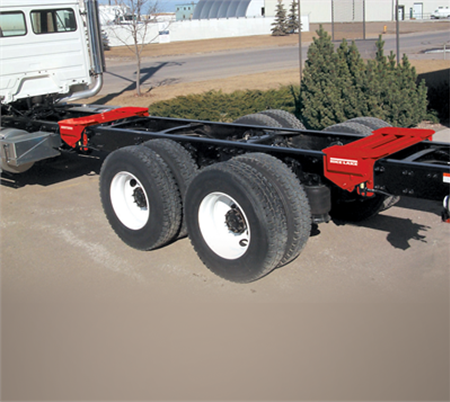
On Board Truck Weighing Systems are electronic systems installed directly on a truck to measure vehicle weight, axle loads, or payload in real time. Unlike static weighbridges, these systems provide continuous feedback while the truck is being loaded or driven.
Read too: Top Trucking Companies That Still Have Manual Transmissions
They are commonly used in:
- Freight and logistics
- Construction and dump trucks
- Agriculture and bulk hauling
- Waste management fleets
The main goal is simple: prevent overloading and maximize legal payload.
How Do On Board Truck Weighing Systems Work?
These systems use sensors mounted on key suspension or chassis components to calculate weight.
Common Measurement Technologies
- Air Pressure Sensors
- Measure air pressure in air suspension
- Convert pressure into weight data
- Widely used in semi-trucks
- Load Cell Sensors
- Installed on suspension or frame
- Very high accuracy
- Often used in heavy-duty or specialty trucks
- Strain Gauge Sensors
- Measure metal deformation under load
- Reliable for harsh environments
- Hydraulic Pressure Sensors
- Common in dump trucks and loaders
The data is displayed in the cab or transmitted wirelessly to fleet management software.
Why Are On Board Truck Weighing Systems So Important?
Key Problems They Solve
- Overweight fines and DOT violations
- Uneven axle loading
- Premature tire and suspension wear
- Inefficient payload utilization
📊 Industry data shows that overweight violations can cost $150–$1,000+ per incident, not including downtime or inspection delays.
Benefits of On Board Truck Weighing Systems
1. Legal Compliance
Drivers can monitor axle and gross vehicle weight before hitting the road.
2. Improved Safety
Balanced loads improve braking, steering, and vehicle stability.
3. Lower Operating Costs
- Reduced tire wear
- Less suspension damage
- Fewer roadside fines
4. Increased Payload Efficiency
Many fleets report 5–10% payload optimization, meaning more revenue per trip.
5. Real-Time Decision Making
Drivers can adjust loads immediately during loading.
On Board Truck Weighing Systems: Pros vs. Cons
| Pros | Cons |
|---|---|
| Real-time weight data | Initial installation cost |
| Prevents fines | Requires calibration |
| Improves safety | Sensor maintenance |
| Optimizes payload | Accuracy varies by system |
➡️ For high-mileage or heavy-load operations, the advantages usually outweigh the drawbacks.
How Accurate Are On Board Truck Weighing Systems?
Accuracy depends on the technology used and calibration quality.
Typical Accuracy Ranges
- Air pressure systems: ±2–5%
- Load cell systems: ±1–2%
- Strain gauge systems: ±1–3%
💡 Proper calibration at 68–82°F (20–28°C) significantly improves accuracy.
Step-by-Step: How On Board Truck Weighing Systems Are Installed
- Vehicle inspection and system selection
- Sensor installation on suspension or frame
- Wiring or wireless module setup
- In-cab display or app configuration
- Initial calibration using known loads
- Test drive and verification
⏱️ Installation time: 3–6 hours for most trucks
Types of Trucks That Benefit the Most
Ideal Use Cases
- Dump trucks and tipper trucks
- Semi-trucks with variable loads
- Agricultural grain haulers
- Logging trucks
- Waste collection vehicles
These operations experience frequent load changes where real-time feedback is critical.
How Much Do On Board Truck Weighing Systems Cost?
Typical Cost Breakdown (US Market)
| Item | Estimated Cost |
|---|---|
| Basic air suspension system | $500 – $1,200 |
| Load cell system | $1,500 – $4,000 |
| Display & software | $200 – $600 |
| Installation | $300 – $800 |
| Total Cost | $800 – $5,000+ |
💬 Fleet case studies show ROI in 6–12 months for trucks frequently operating near weight limits.
Do These Systems Replace Weigh Stations?
No—but they complement them.
On Board Truck Weighing Systems help drivers:
- Load legally before departure
- Avoid unnecessary weigh station stops
- Reduce inspection risks
For legal certification, official scales are still required. More about vehicle weight regulations can be found on Wikipedia (https://www.wikipedia.org).
Integration With Fleet Management Systems
Modern systems can integrate with:
- GPS tracking
- Telematics platforms
- Maintenance software
This allows fleet managers to:
- Monitor overload trends
- Analyze driver behavior
- Schedule preventive maintenance
Common Mistakes to Avoid
- Skipping calibration
- Ignoring sensor maintenance
- Choosing systems incompatible with suspension type
- Relying on estimates instead of real-time data
📌 Best practice: Recalibrate every 6–12 months or after suspension repairs.
How Long Do On Board Truck Weighing Systems Last?
With proper care:
- Sensors: 5–8 years
- Displays and electronics: 3–5 years
Harsh environments may reduce lifespan without regular inspection.
Who Should Invest in On Board Truck Weighing Systems?
These systems are ideal for:
- Owner-operators hauling variable loads
- Fleets focused on DOT compliance
- High-mileage commercial operations
- Companies seeking cost optimization
If weight violations or uneven loading are recurring issues, the investment is often justified.
FAQ: On Board Truck Weighing Systems
Are on board truck weighing systems DOT approved?
They assist compliance but do not replace certified scales for legal enforcement.
Can these systems measure axle weight separately?
Yes, many systems provide individual axle and gross vehicle weight.
Do they work on leaf spring suspensions?
Yes, with load cells or strain gauge sensors.
How often should calibration be done?
Every 6–12 months or after suspension changes.
Can drivers see weight while loading?
Yes, real-time displays are one of the biggest advantages.
Conclusion
On Board Truck Weighing Systems are no longer a luxury—they’re a smart investment for safety, compliance, and profitability. By preventing overloads, optimizing payloads, and reducing fines, these systems quickly pay for themselves in real-world operations.
👉 Share this article on social media if it helped you understand truck weighing systems better—your fellow drivers and fleet managers will benefit too.
Leave a Reply