
Transporting temperature-sensitive goods is a constant challenge for food distributors, caterers, florists, and medical suppliers. Refrigerated Slide-In Truck Bodies solve this problem by offering portable, reliable refrigeration without the cost of a permanent refrigerated truck. If you need cold-chain reliability with flexibility and lower investment, this guide is for you.
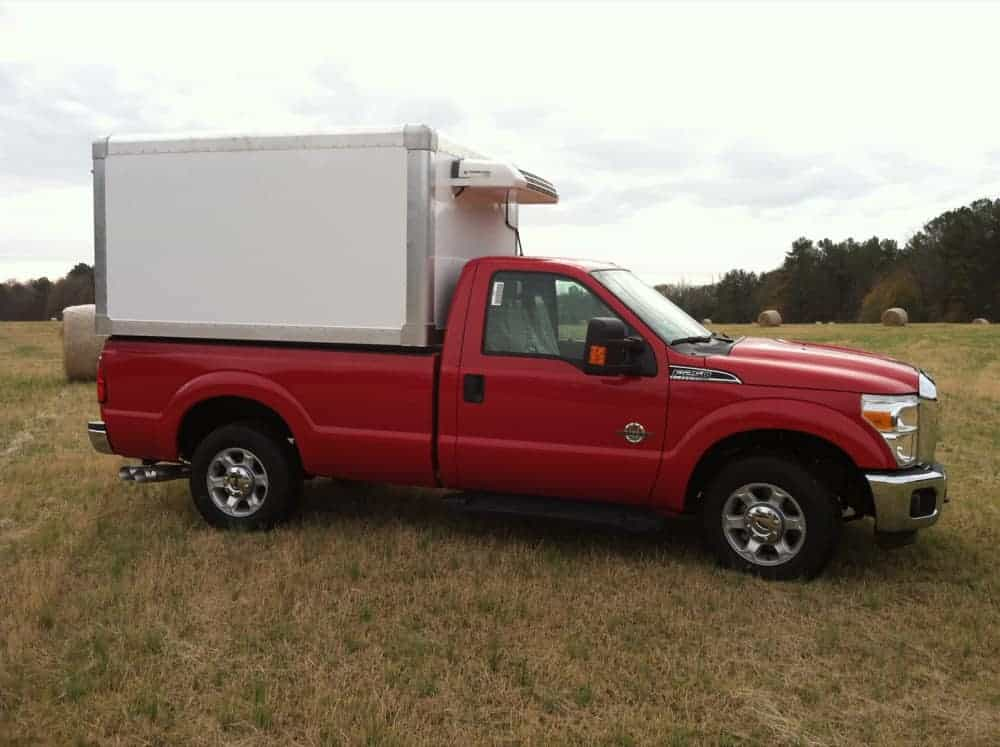
What Are Refrigerated Slide-In Truck Bodies?
Refrigerated Slide-In Truck Bodies are self-contained, insulated cargo units that slide into a pickup or flatbed truck. They include built-in refrigeration systems designed to maintain consistent internal temperatures during transport.
Read too: Top Trucking Companies That Still Have Manual Transmissions
Unlike permanently mounted refrigerated trucks, slide-in bodies can be installed or removed as needed, allowing one vehicle to serve multiple purposes.
For general background on refrigerated transport and cold-chain logistics, see
👉 https://en.wikipedia.org/wiki/Refrigerated_transport
How Do Refrigerated Slide-In Truck Bodies Work?
This is one of the most common “People Also Ask” questions.
Step-by-Step Operating Overview
- Installation
The body is slid onto the truck bed and secured using locking mounts. - Power Connection
Refrigeration units run on:- Dedicated diesel engine
- Truck battery / alternator
- External electric hookup (shore power)
- Temperature Control
Digital thermostats regulate cooling automatically. - Cold Air Circulation
Internal fans distribute cold air evenly to avoid hot spots. - Loading and Transport
Insulated walls and sealed doors maintain temperature stability.
Typical operating temperature range:
👉 -20°F to +40°F (-29°C to +4°C) depending on model.
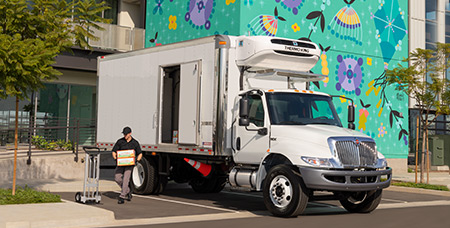
Why Choose Refrigerated Slide-In Truck Bodies?


4
1. Maximum Flexibility
You can remove the body when refrigeration isn’t needed, turning the truck back into a standard hauler.
2. Lower Upfront Costs
A new refrigerated truck can cost $70,000–$120,000+, while Refrigerated Slide-In Truck Bodies often range from $15,000–$35,000.
3. Reduced Downtime
If a truck needs repairs, the slide-in body can be transferred to another vehicle—keeping deliveries on schedule.
4. Ideal for Seasonal Businesses
Perfect for:
- Ice cream vendors
- Seafood delivery
- Holiday catering
- Farmers markets
You only use refrigeration when needed.
Common Industries That Use Refrigerated Slide-In Truck Bodies
These units are widely adopted across multiple sectors:
- Food and beverage distribution
- Catering and event services
- Grocery and meal delivery
- Florists and plant nurseries
- Medical and pharmaceutical transport
Any industry requiring cold-chain compliance benefits from this solution.
Refrigerated Slide-In Truck Bodies vs Refrigerated Trucks
| Feature | Slide-In Body | Dedicated Reefer Truck |
|---|---|---|
| Initial cost | Lower | Higher |
| Vehicle flexibility | High | Low |
| Maintenance cost | Moderate | Higher |
| Resale value | Good | Dependent on truck |
| Installation time | Fast | Permanent |
For small to mid-size operators, slide-in bodies often offer better ROI.
Key Components Explained (Beginner-Friendly)
Understanding components helps you choose the right unit.
- Insulated Panels: Keep heat out, cold in
- Refrigeration Unit: Generates and circulates cold air
- Thermostat Control: Maintains set temperature
- Floor Drain System: Handles condensation
- Sealed Doors: Prevent air leakage
High-quality insulation is just as important as the cooling unit itself.
How to Choose the Right Refrigerated Slide-In Truck Body
1. Match Size to Payload
Measure your truck bed carefully. Common lengths range from 8 to 14 feet.
2. Know Your Temperature Needs
- Frozen goods: -10°F to 0°F
- Chilled foods: 34°F to 40°F
- Floral products: 36°F to 46°F
3. Consider Power Source
Choose electric, diesel, or hybrid systems based on route length and idle time.
4. Check Insulation Thickness
Standard insulation ranges from 2–4 inches. Thicker walls = better temperature retention.
Installation: What to Expect
Installation is straightforward but should be done professionally.
Typical installation steps:
- Align body with truck bed
- Slide unit using forklift or rails
- Secure mounting points
- Connect power and controls
- Test cooling system for 30–60 minutes
Most installations are completed in half a day.
Maintenance Tips to Extend Service Life
Regular maintenance protects your investment.
Essential maintenance checklist:
- Clean condenser coils monthly
- Inspect door seals weekly
- Calibrate thermostat quarterly
- Wash interior with food-safe cleaners
Well-maintained units often last 10–15 years.
Advantages vs Disadvantages
✅ Advantages
- Lower capital investment
- Flexible vehicle usage
- Easy resale or transfer
- Suitable for small fleets
❌ Disadvantages
- Slightly smaller cargo capacity
- Manual installation/removal
- Less insulation than large reefers
Understanding these tradeoffs helps you decide confidently.
Cost Breakdown: What Should You Budget?
| Item | Estimated Cost |
|---|---|
| Slide-in body | $12,000 – $30,000 |
| Refrigeration unit | Included or $4,000 – $8,000 |
| Installation | $500 – $2,000 |
| Annual maintenance | $800 – $1,500 |
Compared to buying a full refrigerated truck, savings are substantial.
Are Refrigerated Slide-In Truck Bodies Worth It?
They are ideal if you:
- Need refrigeration occasionally or seasonally
- Want to lower startup or expansion costs
- Operate a small or growing delivery business
- Value flexibility over permanent equipment
For many operators, Refrigerated Slide-In Truck Bodies provide the perfect balance of cost, performance, and adaptability.
FAQ: Refrigerated Slide-In Truck Bodies
What vehicles can use refrigerated slide-in truck bodies?
Most are designed for pickup trucks, flatbeds, and light- to medium-duty trucks.
Can slide-in bodies maintain frozen temperatures?
Yes. Many models maintain temperatures down to -20°F with proper insulation.
Are they DOT and food-safety compliant?
Yes, when properly maintained and cleaned, they meet standard transport regulations.
How long does cooling last when the truck is off?
With good insulation, temperatures can hold 2–6 hours without active cooling.
Can I remove the body myself?
Some lightweight models allow self-removal, but forklifts are recommended for safety.
Conclusion
Refrigerated Slide-In Truck Bodies offer a smart, cost-effective way to transport temperature-sensitive goods without committing to a permanent refrigerated vehicle. They deliver flexibility, reliability, and strong ROI—especially for small businesses and growing fleets.
If this guide helped you understand whether a slide-in refrigerated body fits your needs, share it on social media so others can make smarter cold-transport decisions too. ❄️🚚
Leave a Reply