
Backing up a semi truck is one of the most stressful and risky tasks for any commercial driver. Blind spots, tight loading docks, and busy yards make accidents more likely—especially without proper visibility. A Semi Truck Back Up Camera is no longer a luxury; it’s a critical safety tool that helps drivers avoid collisions, reduce downtime, and protect lives.
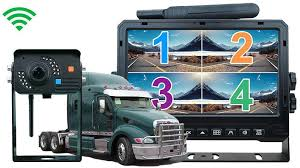
In this guide, we’ll walk through how semi truck back up cameras work, why they matter, and how to choose the right system for your rig—using clear, beginner-friendly language.
What Is a Semi Truck Back Up Camera?
A Semi Truck Back Up Camera is a rear-mounted camera system designed to give drivers a clear, real-time view of what’s behind their truck when reversing. The camera feeds video to a monitor inside the cab, eliminating blind spots that mirrors alone cannot cover.
Read too: Top Trucking Companies That Still Have Manual Transmissions
Key Components
- Rear camera (mounted on trailer or cab)
- In-cab monitor (usually 7–10 inches)
- Wiring or wireless transmitter
- Power connection (12V or 24V systems)
Unlike passenger vehicles, semi trucks require heavy-duty, weather-resistant cameras capable of handling vibration, long trailers, and extreme conditions.
Why Are Back Up Cameras Important for Semi Trucks?
This is one of the most common questions drivers and fleet managers ask—and the answer is simple: safety and cost reduction.
Accident Statistics
According to industry safety analyses, backing accidents account for up to 25% of all truck-related property damage claims. These incidents often happen at low speeds but still cause:
- Vehicle damage
- Cargo loss
- Injuries to pedestrians or dock workers
A properly installed Semi Truck Back Up Camera significantly reduces these risks by improving situational awareness.
How Does a Semi Truck Back Up Camera Improve Safety?
Major Safety Benefits
- Eliminates blind spots behind the trailer
- Improves visibility at night with infrared or LED-assisted cameras
- Reduces reliance on spotters, lowering miscommunication risks
- Prevents roll-over and jackknife incidents during tight maneuvers
Safety experts often emphasize that visual confirmation is more reliable than mirrors alone—especially in crowded industrial environments.
Are Semi Truck Back Up Cameras Required by Law?
A common misconception is that back up cameras are federally required for all trucks.
Legal Reality (U.S.)
- Passenger vehicles under 10,000 lbs are required to have backup cameras
- Commercial semi trucks are not currently mandated to have them
- However, many fleets install them voluntarily to meet internal safety standards
While not legally required, back up cameras are increasingly viewed as a best practice in commercial trucking safety programs.
Types of Semi Truck Back Up Cameras
Not all systems are the same. Choosing the right type depends on how and where you operate.
1. Wired Back Up Camera Systems
Best for: Long-term reliability
Pros:
✔ Stable signal
✔ No interference
✔ Ideal for long trailers
Cons:
✘ More complex installation
2. Wireless Back Up Camera Systems
Best for: Faster installation
Pros:
✔ Easier setup
✔ Fewer cables
Cons:
✘ Potential signal interference
✘ May struggle with 53-ft trailers
3. Infrared / Night Vision Cameras
Best for: Night driving and low-light yards
Pros:
✔ Clear visibility in darkness
✔ Enhanced safety after sunset
Cons:
✘ Slightly higher cost
How Much Does a Semi Truck Back Up Camera Cost?
Price is often a deciding factor.
Average Cost Breakdown
| System Type | Price Range |
|---|---|
| Basic wired system | $150 – $300 |
| Wireless system | $200 – $400 |
| Multi-camera system | $400 – $900+ |
While cheaper options exist, experienced drivers often recommend investing in commercial-grade systems designed specifically for semi trucks.
How to Choose the Best Semi Truck Back Up Camera
This section addresses one of the top “People Also Ask” questions.
Key Features to Look For
- Wide viewing angle (120°–170°)
- IP69 waterproof rating
- Infrared night vision
- Anti-glare monitor
- Compatibility with 12V/24V power systems
Pro Tip
If you frequently switch trailers, look for quick-connect systems that allow easy camera relocation.
Step-by-Step: How to Install a Semi Truck Back Up Camera
Most systems are DIY-friendly, even for beginners.
Installation Steps
- Mount the camera at the rear center of the trailer (height: ~1.2–1.5 meters).
- Run wiring along the frame using protective conduit.
- Connect power to reverse lights or ignition circuit.
- Mount the monitor inside the cab at eye level.
- Test the image during daylight and nighttime conditions.
⏱ Average install time: 1–2 hours
Pros and Cons of Semi Truck Back Up Cameras
✅ Advantages
- Reduces backing accidents
- Improves driver confidence
- Lowers insurance claims
- Enhances fleet safety scores
❌ Disadvantages
- Initial cost
- Requires occasional maintenance
- Wireless systems may experience interference
Overall, the benefits far outweigh the drawbacks for most drivers.
Do Back Up Cameras Help Reduce Insurance Costs?
Yes—indirectly.
Insurance providers often view safety equipment positively. Fleets that adopt Semi Truck Back Up Camera systems may experience:
- Fewer claims
- Lower risk profiles
- Improved safety audits
While discounts vary, reduced accident frequency often leads to long-term savings.
Single Camera vs Multi-Camera Systems
Some drivers wonder if one camera is enough.
Comparison Table
| Feature | Single Camera | Multi-Camera |
|---|---|---|
| Cost | Lower | Higher |
| Coverage | Rear only | Rear + sides |
| Complexity | Simple | Advanced |
| Safety | Good | Excellent |
For urban delivery or yard-heavy operations, multi-camera systems offer superior coverage.
Maintenance Tips for Long-Term Performance
To ensure reliability:
- Clean lens weekly with microfiber cloth
- Check cable connections every 3 months
- Avoid pressure-washing directly on the camera
- Test night vision monthly
Proper care can extend system life to 5–8 years.
How Semi Truck Back Up Cameras Fit into Modern Trucking Technology
Back up cameras are part of a broader movement toward advanced driver assistance systems (ADAS). Alongside sensors and telematics, they help create safer roads.
For a general overview of vehicle camera technology and its role in transportation, you can read the background explanation on Wikipedia .
Who Should Use a Semi Truck Back Up Camera?
These systems are ideal for:
- Owner-operators
- Fleet drivers
- Construction haulers
- Urban delivery trucks
- New CDL drivers
Even experienced drivers benefit from added visibility in unpredictable environments.
FAQ: Semi Truck Back Up Camera
Q1: Can a back up camera replace mirrors?
No. Cameras supplement mirrors but do not replace them. Both should be used together for maximum safety.
Q2: Do back up cameras work in rain or snow?
Yes, most commercial systems are weatherproof, though visibility may be reduced in extreme conditions.
Q3: Can I use the same camera for multiple trailers?
Yes, with quick-connect wiring or magnetic mounts.
Q4: Are wireless systems reliable for 53-ft trailers?
Some are, but wired systems generally provide more consistent performance over long distances.
Q5: Is professional installation required?
Not usually. Most drivers can install the system with basic tools and instructions.
Conclusion
A Semi Truck Back Up Camera is one of the smartest safety upgrades a driver or fleet can make. It reduces accidents, protects people and property, and boosts driver confidence—especially in tight or low-visibility situations.
If this guide helped you understand your options or make a buying decision, consider sharing it on social media with fellow drivers or fleet managers. Safer roads start with better visibility.
Leave a Reply