
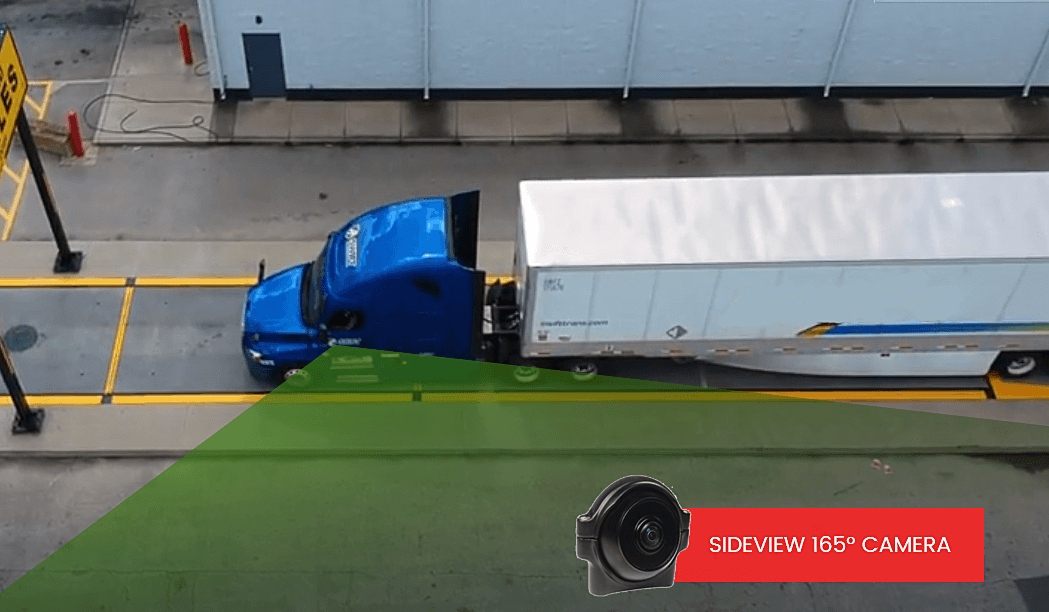
Driving a commercial truck comes with serious responsibility. One of the biggest safety challenges operators face is limited visibility around large trailers. That’s where a Semi Truck Blind Spot Camera becomes essential.
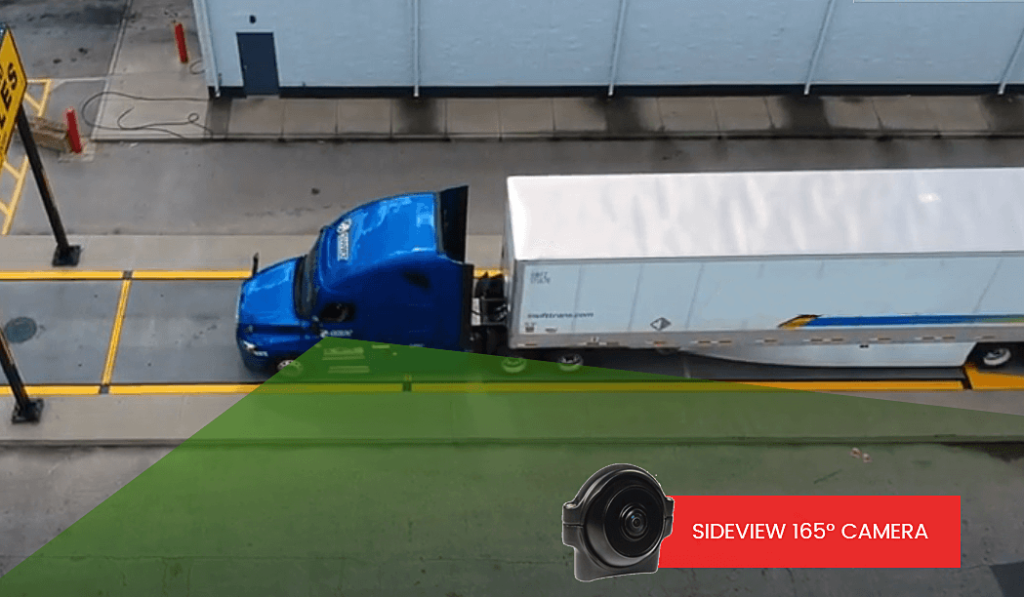
Whether you’re an owner-operator or managing a fleet, blind spot camera systems can dramatically reduce collision risk, improve driver confidence, and potentially lower insurance costs. In this comprehensive guide, we’ll break down how these systems work, what features matter most, and how to choose the right solution.
Read too: Top Trucking Companies That Still Have Manual Transmissions
What Is a Semi Truck Blind Spot Camera?
A Semi Truck Blind Spot Camera is a vehicle-mounted camera system designed to eliminate visibility gaps around large commercial trucks. These cameras provide real-time video feeds to in-cab monitors, helping drivers detect vehicles, cyclists, and pedestrians in hard-to-see areas.
Blind spots are especially large in:
- Passenger-side lanes
- Directly behind trailers
- Front bumper areas
- Tight urban intersections
Due to the size of semi trucks, standard mirrors alone cannot provide full coverage.
For broader context about blind spots in vehicles, see:
https://en.wikipedia.org/wiki/Blind_spot_(vehicle)
Why Are Blind Spots So Dangerous for Semi Trucks?
According to the Federal Motor Carrier Safety Administration (FMCSA):
- Large trucks are involved in thousands of crashes annually.
- Many incidents occur during lane changes.
- Passenger vehicles often travel within “No-Zones” (truck blind spots).
Common High-Risk Scenarios:
✔ Highway lane merging
✔ Urban right turns
✔ Backing into loading docks
✔ Heavy traffic congestion
Even experienced drivers face limitations due to vehicle size.
How Does a Semi Truck Blind Spot Camera Work?
A blind spot camera system typically includes:
- Wide-angle cameras mounted on truck sides.
- Rear-facing cameras for backing.
- In-cab monitor display.
- Optional radar sensors.
- Wiring harness or wireless transmitter.
Real-Time Operation
- When a driver activates a turn signal, the corresponding side camera feed appears.
- Some systems display continuous split-screen views.
- Advanced systems provide audible warnings.
What Areas Should a Blind Spot Camera Cover?
Effective coverage includes:
1. Passenger Side
The most dangerous blind zone for right turns.
2. Driver Side
Critical for highway merging.
3. Rear Trailer View
Helps during reversing and docking.
4. Front Bumper Zone
Useful in urban pedestrian areas.
Types of Semi Truck Blind Spot Camera Systems
1. Basic Camera-Only Systems
- Visual monitoring only
- Affordable
- Good for small fleets
2. Camera + Radar Systems
- Detect motion
- Provide audio alerts
- Higher safety level
3. 360-Degree Surround View Systems
- Bird’s-eye composite view
- Multiple camera integration
- Ideal for high-density urban routes
Key Features to Look For
When shopping for a Semi Truck Blind Spot Camera, prioritize:
✔ 1080p HD resolution
✔ Night vision capability
✔ Weatherproof rating (IP67 or higher)
✔ Wide-angle lens (120°–170°)
✔ Vibration-resistant mounting
✔ DVR recording capability
Fleet operators often prefer systems with GPS tracking integration.
Benefits of Installing a Semi Truck Blind Spot Camera
1. Increased Safety
Reduces lane-change collisions and right-turn accidents.
2. Insurance Savings
Some insurers offer discounts for safety tech adoption.
3. Driver Confidence
Less stress during high-traffic maneuvers.
4. Liability Protection
Recorded footage can protect drivers in disputes.
Pros and Cons of Blind Spot Camera Systems
Advantages
✔ Enhanced visibility
✔ Reduced collision risk
✔ Supports compliance initiatives
✔ Provides evidence in accidents
✔ Helps train new drivers
Disadvantages
✖ Installation cost
✖ Requires driver adaptation
✖ Maintenance needed
✖ Potential wiring complexity
Installation Overview: Step-by-Step
Step 1: Plan Camera Placement
Identify blind zones and mounting points.
Step 2: Mount Cameras Securely
Use vibration-resistant brackets.
Ensure angle coverage of 120–170 degrees.
Step 3: Route Wiring
Secure cables along truck frame.
Avoid heat sources and moving components.
Step 4: Install Monitor
Mount monitor in clear but non-distracting position.
Step 5: Test System
Check visibility in daylight and night conditions.
Adjust angles if needed.
Professional installation typically costs $300–$800 per vehicle.
How Much Does a Semi Truck Blind Spot Camera Cost?
Average Pricing
| System Type | Estimated Cost |
|---|---|
| Basic 2-Camera | $200–$500 |
| 4-Camera System | $500–$1,200 |
| 360-Degree System | $1,200–$3,000 |
Fleet discounts may apply for bulk installations.
Do Blind Spot Cameras Replace Mirrors?
No.
They supplement mirrors—not replace them.
Mirrors remain legally required under U.S. regulations.
Camera systems enhance situational awareness.
Are Blind Spot Cameras Required by Law?
Currently, blind spot cameras are not federally mandated for semi trucks in the U.S.
However:
- Advanced Driver Assistance Systems (ADAS) are increasingly encouraged.
- Safety technologies are being adopted voluntarily by major carriers.
Future regulations may expand requirements.
Real-World Fleet Example
A regional trucking company installing blind spot camera systems across 50 trucks reported:
- 22% reduction in minor side-swipe incidents
- Improved driver safety training
- Faster accident claim resolution
While results vary, technology adoption shows measurable impact.
How Do Blind Spot Cameras Perform at Night?
Modern systems include:
- Infrared LEDs
- Low-light sensors
- Anti-glare coating
Night visibility is critical for highway and warehouse operations.
Maintenance Tips
To maintain performance:
✔ Clean lenses weekly
✔ Check mounting brackets monthly
✔ Inspect wiring annually
✔ Update firmware (if applicable)
Dust, rain, and road debris can reduce image clarity.
FAQ Section
1. Do semi trucks really need blind spot cameras?
While not legally required, they significantly improve safety and reduce accident risk.
2. How much does a semi truck blind spot camera cost?
Basic systems start around $200, while advanced 360-degree systems may exceed $2,000.
3. Are blind spot cameras better than mirrors?
They complement mirrors but do not replace them.
4. Can blind spot cameras record footage?
Yes. Many systems include DVR recording for liability protection.
5. Do blind spot cameras work in bad weather?
Quality systems are weatherproof (IP67+) and designed for rain and dust exposure.
6. How long does installation take?
Typically 2–5 hours depending on system complexity.
Conclusion
A Semi Truck Blind Spot Camera is more than a convenience—it’s a safety investment.
By improving visibility in critical blind zones, these systems:
- Reduce collision risk
- Protect drivers and other motorists
- Support fleet liability management
- Enhance operational confidence
Whether you operate a single truck or manage a fleet, upgrading to a blind spot camera system can significantly improve road safety.
If this guide helped you understand your options, share it on social media to help other drivers and fleet managers make informed safety decisions.
Leave a Reply