
Starting or running Small Mom And Pop Trucking Companies isn’t easy—but it can be incredibly rewarding. Many families enter trucking to gain independence, control their income, and build something long-term. If you’re wondering whether a small, family-owned trucking business can survive and thrive in today’s competitive freight market, this guide is for you.
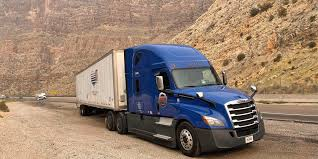
Let’s break down the reality, numbers, and practical steps so you can make informed decisions.
Read too: Franklin Truck Parts Near Me: Your Complete Guide to Local Truck Parts & Repair Solutions
What Are Small Mom And Pop Trucking Companies?
Small Mom And Pop Trucking Companies are typically family-owned carriers operating between 1–10 trucks. Often, the owners are also drivers, dispatchers, or mechanics.
They differ from large carriers because:
- Decision-making is centralized.
- Operating costs are leaner.
- Customer relationships are more personal.
According to industry data, over 90% of U.S. trucking companies operate six trucks or fewer. The American trucking sector is largely composed of small carriers rather than large fleets.
To understand the structure of the trucking industry, see the overview of the trucking industry on Wikipedia:
https://en.wikipedia.org/wiki/Trucking_industry_in_the_United_States
Are Small Family-Owned Trucking Companies Profitable?
This is one of the most searched questions.
Short Answer: Yes — if managed correctly.
Revenue Snapshot Example (1-Truck Operation)
- Average gross revenue per truck annually: $180,000–$250,000
- Fuel cost (30–40%): $60,000–$90,000
- Insurance: $10,000–$18,000
- Maintenance: $15,000–$25,000
- Permits, compliance, misc.: $5,000–$10,000
Estimated Net Income:
$50,000–$90,000 per truck (before taxes)
Profit depends heavily on:
- Freight rates
- Fuel efficiency
- Deadhead miles
- Maintenance discipline
Small carriers often outperform larger fleets in niche markets like regional flatbed or local agricultural hauling.
What Are the Advantages of Small Mom And Pop Trucking Companies?
1. Lower Overhead
No corporate offices. No complex management structure.
2. Flexibility
You can:
- Choose profitable lanes.
- Avoid low-paying freight.
- Adjust routes quickly.
3. Strong Customer Relationships
Repeat contracts are common because small companies provide consistent drivers and personal service.
Advantages vs Disadvantages
| Advantages | Disadvantages |
|---|---|
| Personal control | Limited scale |
| Flexible operations | Cash flow pressure |
| Lower admin cost | Higher insurance per truck |
| Strong client loyalty | Driver burnout risk |
What Challenges Do Small Trucking Companies Face?
Even though the opportunity is strong, risks are real.
1. Rising Insurance Premiums
New authorities may pay $15,000–$25,000 annually for liability and cargo insurance.
2. Fuel Price Volatility
Fuel can represent 30–40% of operating expenses. A $0.50 increase per gallon significantly impacts margins.
3. Compliance Complexity
Regulations include:
- DOT inspections
- ELD compliance
- Drug testing programs
- IFTA reporting
Mistakes can lead to fines or out-of-service orders.
How to Start a Small Mom And Pop Trucking Company (Step-by-Step)
If you’re planning to launch one, here’s a simplified roadmap.
Step 1: Register Your Business
Choose structure:
- LLC (most common)
- S-Corp
- Sole Proprietorship
Register with your state and obtain an EIN.
Step 2: Obtain Authority
Apply for:
- USDOT number
- MC number
- Unified Carrier Registration (UCR)
Expect processing time: 20–30 days.
Step 3: Secure Insurance
Minimum federal liability requirement: $750,000
Most brokers require: $1,000,000 coverage
Shop at least 3 quotes before committing.
Step 4: Purchase or Lease a Truck
New truck: $140,000–$190,000
Used truck: $40,000–$90,000
Consider:
- Fuel efficiency (6–8 MPG typical)
- Maintenance history
- Warranty coverage
Step 5: Set Up Compliance Systems
You’ll need:
- ELD device
- IFTA tracking software
- Maintenance logs
- Drug & alcohol consortium enrollment
Step 6: Find Freight
Options include:
- Load boards
- Freight brokers
- Direct shipper contracts
- Local manufacturing partnerships
Tip: Focus on one niche before expanding.
How Do Small Trucking Companies Compete with Large Carriers?
This is where strategy matters.
Focus on Specialization
Examples:
- Regional refrigerated freight
- Agricultural hauling
- Construction materials
- Last-mile delivery
Deliver Superior Service
Small carriers win by:
- On-time reliability
- Direct communication
- Fewer hand-offs
Control Costs Aggressively
- Minimize idle time
- Reduce empty miles
- Prevent maintenance breakdowns
Real-World Case Study
A 2-truck family carrier in the Midwest focused on:
- 300-mile regional lanes
- Direct contracts with food distributors
- Fuel-efficient driving (maintained 7.5 MPG)
Result:
- Gross revenue per truck: $210,000
- Operating margin: 28%
- Paid off truck loan in 3 years
Small companies can scale gradually without overextending.
How Many Trucks Should a Small Carrier Operate?
Ideal growth model:
- Start with 1 truck.
- Stabilize cash flow.
- Add second truck after 12–18 months.
- Expand only when dispatch and compliance systems are stable.
Fast expansion increases risk of:
- Cash flow shortages
- Maintenance backlog
- Compliance errors
Cost Control Checklist for Small Carriers
✔ Monitor fuel weekly
✔ Use preventive maintenance every 15,000 miles
✔ Negotiate broker rates
✔ Avoid excessive factoring fees
✔ Maintain strong CSA safety scores
Consistency beats aggressive expansion.
FAQ: Small Mom And Pop Trucking Companies
1. How much does it cost to start a small trucking company?
Startup costs typically range from $30,000 (leased truck) to $150,000 (purchased truck + operating capital).
2. Can a family-run trucking company survive in today’s market?
Yes. Over 90% of U.S. carriers are small businesses. Success depends on cost control and lane selection.
3. What is the biggest expense for small trucking companies?
Fuel and insurance are the largest operating expenses.
4. Should I lease or buy my first truck?
Leasing reduces upfront cost but may increase long-term expenses. Buying builds equity but requires capital.
5. Is trucking still profitable in 2025?
Yes, especially in specialized regional markets. Profit margins vary between 10–30% depending on efficiency.
6. How can small carriers find direct contracts?
Network locally with manufacturers, warehouses, and agricultural producers. Build reputation through reliability.
Conclusion
Small Mom And Pop Trucking Companies form the backbone of the U.S. freight industry. While challenges like fuel costs and insurance premiums exist, small carriers have advantages in flexibility, personal service, and niche specialization.
If you manage expenses wisely, choose profitable lanes, and maintain compliance discipline, a family-owned trucking business can generate stable, long-term income.
Thinking about starting your own trucking company? Share this guide with your spouse, business partner, or fellow drivers—it could help you build a smarter, more sustainable operation.
Leave a Reply