
If you’re looking for dependable Truck Trailer And Hitch Independence Mo services, you’re not alone. Towing safely requires the right equipment, professional installation, and maintenance to avoid accidents or costly repairs. Whether you’re hauling a boat, RV, or cargo trailer, understanding trailer and hitch options is essential for safety and efficiency.
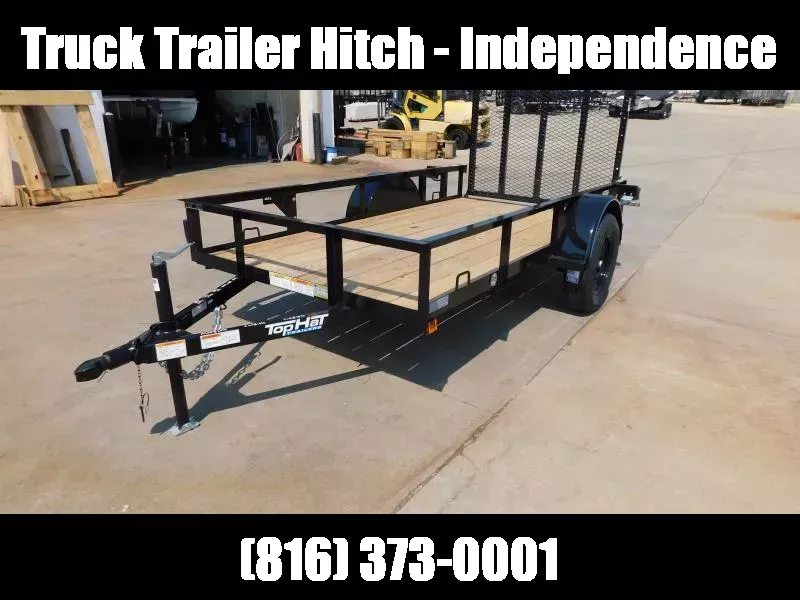
Why Proper Truck Trailer and Hitch Matters
1. Safety First
- A properly installed hitch prevents trailer sway.
- Reduces risk of accidents caused by loose or misaligned connections.
- Ensures compliance with local and federal towing regulations.
2. Longevity of Your Vehicle and Trailer
- Correct towing equipment minimizes stress on the truck’s frame.
- Prevents damage to suspension, brakes, and drivetrain.
3. Ease of Use
- Quick-connect hitches and safety chains streamline the hooking process.
- Makes loading and unloading trailers faster and safer.
Types of Truck Hitches
| Hitch Type | Best For | Pros | Cons |
|---|---|---|---|
| Receiver Hitch | General towing | Versatile, strong | Needs correct ball mount |
| Fifth Wheel | Heavy-duty trailers | High stability, better control | Requires bed installation |
| Gooseneck | Large livestock or cargo | Heavy loads, maneuverable | Professional installation |
| Bumper Hitch | Small trailers | Easy to install, budget-friendly | Limited weight capacity |
How to Choose the Right Hitch
- Determine Trailer Weight: Always check gross trailer weight (GTW).
- Check Vehicle Capacity: Match hitch class with your truck’s towing capacity.
- Consider Usage Frequency: Heavy daily towing vs. occasional trips.
- Inspect Hitch Features: Look for locking pins, safety chain loops, and corrosion resistance.
Read too: Franklin Truck Parts Near Me: Your Complete Guide to Local Truck Parts & Repair Solutions
Installation and Maintenance Steps
Installation:
- Select compatible hitch for truck model.
- Follow manufacturer instructions or consult a certified installer.
- Secure bolts with torque wrench to specifications.
- Attach safety chains and wiring harness for trailer lights.
Maintenance:
- Inspect bolts, chains, and ball mounts monthly.
- Lubricate hitch ball to prevent wear.
- Replace any rusted or damaged components immediately.
- Store unused hitches in dry areas to prevent corrosion.
External Reference
For general information about vehicle towing and trailer hitch types, see Wikipedia on Trailer Hitches.
FAQ Section
Q1: How do I know which hitch class my truck needs?
A: Check your truck’s owner manual for towing capacity and match it with hitch class ratings.
Q2: Can I install a hitch myself?
A: Light-duty hitches can be DIY, but fifth-wheel or gooseneck hitches are best installed by professionals.
Q3: How often should I inspect my hitch?
A: Monthly inspections for signs of wear, rust, or loose bolts are recommended.
Q4: What is the difference between a receiver and a fifth-wheel hitch?
A: Receiver hitches attach to the rear bumper and are versatile, while fifth-wheel hitches mount in the truck bed for heavy-duty stability.
Q5: Are safety chains mandatory?
A: Yes, safety chains are legally required for trailers and provide an additional level of protection in case the hitch fails.
Q6: Can towing affect my truck warranty?
A: Towing within manufacturer specifications will not void your warranty, but overloading or improper hitch installation may.
Conclusion
Choosing the right Truck Trailer And Hitch Independence Mo setup ensures safety, convenience, and durability for both your truck and trailer. From proper installation to regular maintenance, every step matters to avoid accidents and prolong equipment life. Share this guide with fellow drivers in Independence, MO, to help them tow safely and efficiently.
Leave a Reply