
When your rig is down, every hour off the road costs money. Whether you manage a fleet or operate as an independent owner-operator, finding reliable Western Truck And Trailer Repair services is critical to keeping operations moving. Breakdowns don’t just affect delivery schedules—they impact safety, compliance, and long-term profitability.
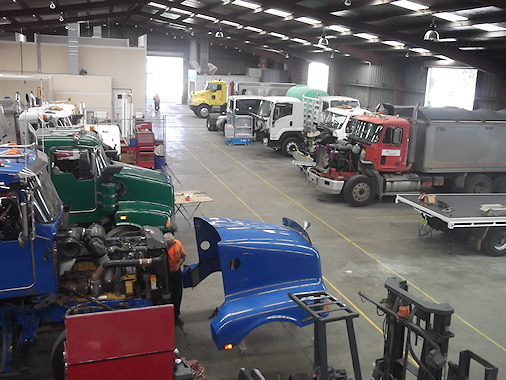
This comprehensive guide explains what to expect from professional truck and trailer repair services, how to evaluate a repair facility, and how to reduce downtime through preventive maintenance.
Read too: Top Trucking Companies That Still Have Manual Transmissions
What Is Western Truck And Trailer Repair?
Western Truck And Trailer Repair refers to professional maintenance and mechanical services for heavy-duty trucks, semi-trailers, and commercial transport vehicles operating in western U.S. regions. These facilities typically service:
- Class 6–8 heavy-duty trucks
- Semi-trucks and tractor-trailers
- Flatbeds, reefers, and dry vans
- Dump trucks and vocational trucks
- Fleet vehicles
For broader context about commercial trucks, visit:
https://en.wikipedia.org/wiki/Truck
Repair centers usually offer both scheduled maintenance and emergency roadside support.
What Services Are Typically Offered?
Truck and trailer repair facilities provide a wide range of services. Below is a breakdown of common offerings:
Engine & Drivetrain Services
- Diesel engine diagnostics
- Turbocharger repair
- Transmission rebuilds
- Clutch replacement
- Differential service
Brake & Suspension Repairs
- Air brake inspection and repair
- Brake pad and drum replacement
- Suspension bushing replacement
- Airbag suspension repair
Trailer-Specific Repairs
- Landing gear repair
- Axle alignment
- Floor replacement
- Door hinge repair
- Refrigeration unit service (for reefers)
Electrical & Diagnostics
- ECM diagnostics
- Wiring repairs
- Lighting compliance
- Battery testing
Modern facilities rely heavily on computer diagnostics to reduce guesswork and increase accuracy.
Why Is Professional Truck Repair Critical?
According to federal transportation safety data, mechanical failure contributes significantly to commercial vehicle violations during roadside inspections. Brake system violations remain among the most cited issues in annual safety reports.
Regular professional maintenance helps:
- Reduce breakdown frequency
- Improve fuel efficiency
- Extend vehicle lifespan
- Maintain DOT compliance
- Lower long-term repair costs
Ignoring minor issues often leads to major failures.
How to Choose the Right Western Truck And Trailer Repair Shop
Not all repair shops are equal. Here’s a structured approach to choosing the right provider.
Step 1: Check Certifications
Look for:
- ASE-certified technicians
- Diesel engine manufacturer certifications
- DOT inspection authority
Certified technicians indicate professional training and accountability.
Step 2: Evaluate Experience
Ask:
- How many years has the shop been in business?
- Do they specialize in heavy-duty trucks?
- Do they service fleets?
Experience with commercial equipment is essential.
Step 3: Review Equipment & Technology
Modern trucks rely on advanced electronics. The shop should have:
- OEM diagnostic software
- Lift systems for heavy vehicles
- Brake testing equipment
- Alignment systems
Outdated tools can lead to incomplete repairs.
Step 4: Compare Pricing Transparency
Professional repair facilities provide:
- Written estimates
- Labor hour breakdowns
- Parts sourcing details
Average hourly labor rates for heavy-duty repair range between $100–$180 per hour, depending on region and complexity.
Common Causes of Truck and Trailer Breakdowns
Understanding breakdown patterns can help prevent them.
Top Causes:
- Brake system wear
- Tire blowouts
- Cooling system failure
- Electrical wiring issues
- Transmission overheating
Heavy loads, mountainous terrain, and extreme temperatures common in western states add extra stress to equipment.
Preventive Maintenance Checklist
Preventive maintenance (PM) reduces emergency repairs. Here is a simple schedule:
Every 10,000–15,000 miles:
- Oil and filter change
- Tire inspection (minimum 4/32” tread recommended for steer tires)
- Brake check
- Fluid level inspection
Every 30,000 miles:
- Transmission fluid inspection
- Fuel system cleaning
- Suspension inspection
Annually:
- DOT inspection
- Alignment check
- Air system testing
A proactive approach can reduce unexpected downtime by up to 30–40% in fleet operations.
Emergency Roadside Repair: What to Expect
Breakdowns don’t always happen near a shop.
Emergency services typically include:
- Mobile diagnostics
- Air brake repairs
- Battery replacement
- Minor fuel delivery
- Tire replacement
When calling roadside service, provide:
- Exact location (GPS coordinates preferred)
- Truck make, model, and engine type
- Description of issue
- Load type and urgency
Clear communication speeds response time.
Fleet Maintenance vs Independent Owner-Operator Repairs
Fleet Maintenance Advantages
✔ Predictable maintenance schedule
✔ Volume discounts
✔ Reduced downtime
✔ Centralized service records
Independent Owner Advantages
✔ Flexibility
✔ Freedom to compare shops
✔ Control over parts selection
Both approaches require strong record-keeping and compliance awareness.
Cost Breakdown: Typical Truck Repair Expenses
| Repair Type | Average Cost Range |
|---|---|
| Brake job (tractor) | $500–$1,500 |
| Transmission rebuild | $3,000–$7,000 |
| Engine overhaul | $10,000–$25,000 |
| Trailer axle repair | $400–$1,200 |
| DOT inspection | $100–$300 |
Costs vary by region and truck class.
Case Study: Reducing Downtime with Preventive Maintenance
A regional freight company operating 25 trucks implemented structured preventive maintenance through a professional Western Truck And Trailer Repair facility.
Results over 12 months:
- 28% reduction in roadside breakdowns
- 15% improvement in fuel efficiency
- Lower annual emergency repair costs
Consistent inspections helped identify failing brake components early.
Signs You Should Visit a Repair Shop Immediately
- Air pressure warning light
- Excessive brake noise
- Coolant temperature spikes
- Steering vibration
- Unusual exhaust smoke
Ignoring these signs can lead to catastrophic engine or brake failure.
Technology Trends in Modern Truck Repair
Advanced trucks now include:
- Telematics systems
- Predictive maintenance software
- Emissions monitoring
- Regeneration systems for diesel engines
Repair facilities must stay current with technology to properly diagnose issues.
FAQ – Frequently Asked Questions
What does Western Truck And Trailer Repair include?
It includes engine repairs, brake service, trailer maintenance, diagnostics, DOT inspections, and emergency roadside assistance.
How often should commercial trucks be serviced?
Most trucks require maintenance every 10,000–15,000 miles, depending on usage and load.
Are mobile repair services reliable?
Yes, for minor repairs and emergency situations. Major repairs usually require a full-service facility.
How can I reduce truck repair costs?
Implement preventive maintenance, address issues early, and maintain accurate service records.
Do repair shops handle DOT inspections?
Many certified shops provide official DOT inspections to ensure compliance.
Conclusion
Choosing the right Western Truck And Trailer Repair provider is essential for keeping your equipment safe, compliant, and profitable. From preventive maintenance to emergency repairs, professional service reduces downtime and protects your investment.
The key is consistency. Schedule inspections, monitor warning signs, and partner with experienced technicians who understand heavy-duty systems.
If this guide helped clarify what to look for in a repair provider, share it with fellow drivers or fleet managers who want to stay ahead of costly breakdowns.
Leave a Reply