
If you’re searching for a reliable Wheel Chock Holder for Trucks, you’re likely dealing with a common problem: wheel chocks sliding around in the cab, getting lost on the job, or failing DOT inspection because they aren’t properly secured. You’re not alone—truck drivers, fleet managers, and loading dock crews all struggle with storing chocks safely and conveniently. This guide breaks everything down in a simple, friendly way so you can choose the right holder and install it confidently.
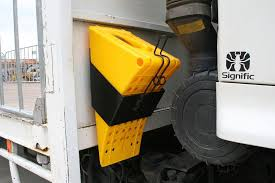
What Is a Wheel Chock Holder for Trucks?
A Wheel Chock Holder for Trucks is a mounted or portable bracket designed to hold and secure wheel chocks while your vehicle is in motion or parked. It prevents chocks from shifting, getting damaged, or becoming a road hazard. These holders are commonly used on:
- Semi-trucks
- Delivery trucks
- Flatbeds
- Box trucks
- Utility vehicles
- Trailer fleets
According to industry safety data, improper chock storage accounts for over 30% of annual chock loss or damage in commercial fleets. Additionally, OSHA recommends proper wheel chocking during loading operations, which makes secure storage even more important.
Read too: Top Trucking Companies That Still Have Manual Transmissions
A general overview of wheel chocks can also be found on Wikipedia (authoritative external link).
Why Truck Drivers Need a Wheel Chock Holder
Below are the major reasons truck operators and fleets rely on chock holders:
1. Safety Compliance
Failing to secure chocks can result in DOT violations or roadside inspection issues.
2. Prevents Cargo Area Damage
Unsecured chocks bounce around and can crack interior panels or damage tools.
3. Saves Time on the Job
With a mounted holder, drivers always know exactly where the chocks are.
4. Protects Wheel Chocks from Wear
Chocks last significantly longer when stored properly—reducing replacement costs.
5. Enhances Professional Fleet Appearance
A clean, organized truck reflects professionalism and good fleet management.
Types of Wheel Chock Holders for Trucks
Each type serves different needs based on vehicle size, loading behavior, and chock material.
1. Steel Wall-Mounted Holders
These are typically welded or bolted to truck bodies.
Best For:
- Heavy-duty trucks
- Commercial fleets
- Utility trucks
Pros:
- Extremely durable
- Weather-resistant
- Holds heavy rubber or metal chocks
Cons:
- Requires installation
- Not easily removable
2. Underbody Mounted Chock Holders
Installed under the truck’s frame or step area.
Best For:
- Semi-trucks
- Flatbeds
- Dump trucks
Pros:
- Saves space
- Keeps chocks easily accessible
- Ideal for large fleets
Cons:
- Requires drilling/welding
- Exposure to road debris
3. In-Cab or Toolbox Chock Storage
Perfect for lighter-duty trucks and vans.
Pros:
- Portable
- No installation needed
- Clean and convenient
Cons:
- Limited space
- Not ideal for large chocks
4. Magnetic or Strap-On Holders
Designed for occasional or temporary use.
Pros:
- Quick to install
- Budget-friendly
Cons:
- Less secure
- Not suitable for heavy chocks
Choosing the Right Wheel Chock Holder for Your Truck (Buying Guide)
Below are the key decision factors—based on People Also Ask queries and industry best practices.
1. What Material Should You Choose?
Steel
Most durable and commonly used for commercial fleets.
Aluminum
Lightweight, corrosion-resistant, but less heavy-duty.
Polymer
Good for interior use but not suited for heavy rubber chocks.
2. How Many Chocks Do You Need to Store?
Common holder capacities:
- Single-chock holders – compact, ideal for small trucks
- Double-chock holders – common for semis
- Multi-chock racks – used by fleet vehicles or yard trucks
OSHA guidelines often recommend using two wheel chocks for large vehicles.
3. Chock Size Compatibility
Always measure:
- Chock height (in inches)
- Chock base width
- Length of the chock
Then match it to the holder’s internal dimensions.
4. Mounting Location
The three most popular mounting points:
- Side of the truck body
- Underbody near the steps
- Inside a service compartment
Pro tip:
Choose a location that is accessible without climbing into the truck.
Installation Guide: How to Install a Wheel Chock Holder for Trucks
Below is a simplified, beginner-friendly tutorial.
Tools Needed
- Drill with metal bits
- Level
- Marker
- Wrench set
- Stainless steel bolts (recommended)
Step-by-Step Installation (Example: Wall-Mount Holder)
- Choose a flat mounting area
Ensure the location does not interfere with doors, steps, or wiring. - Hold the bracket in position
Use a level to keep it straight. - Mark the mounting holes
Use a permanent marker. - Drill pilot holes
Use a metal drill bit sized for your hardware. - Insert bolts and tighten
Stainless hardware works best for corrosion prevention. - Place chocks and test fit
Ensure the chocks slide in and out smoothly. - Add optional security strap
Many drivers use bungee cords or metal clips for vibration resistance.
Wheel Chock Holder Comparison Chart
| Feature | Steel Holder | Underbody Holder | Magnetic Holder |
|---|---|---|---|
| Durability | ★★★★★ | ★★★★★ | ★★☆☆☆ |
| Installation | Moderate | Advanced | Easy |
| Cost | Mid | High | Low |
| Capacity | 1–2 chocks | 2–4 chocks | 1 chock |
| Ideal For | Commercial fleets | Heavy-duty trucks | Light-duty use |
Tips for Maintaining Your Wheel Chock Holder
1. Lubricate moving parts (if applicable)
Use silicone spray every 2–3 months.
2. Inspect mounting hardware
Check bolt tightness every 5,000–10,000 miles.
3. Clean off road debris
Wipe down underbody holders to prevent rust.
4. Replace worn straps or clips
These are inexpensive and critical for safety.
Text Infographic: Quick Troubleshooting Guide
Problem → Solution
- Chocks rattle → Add rubber padding or straps
- Holder rusting → Repaint with rust-free coating
- Chocks don’t fit → Measure and upgrade holder size
- Holder loosens → Use lock washers or stronger hardware
Best Practices for Fleet Managers
- Standardize holder types across all vehicles
- Train drivers on proper chock storage
- Perform quarterly safety checks
- Use color-coded chocks for quick identification
- Keep spare mounting hardware in service trucks
This reduces downtime, improves safety ratings, and minimizes OSHA/DOT violations.
FAQ – Wheel Chock Holder for Trucks
1. Do I need a wheel chock holder for DOT compliance?
While not always explicitly required, DOT and OSHA both require chocks to be accessible and secured—making a holder highly recommended.
2. Are wheel chock holders universal?
No. Always match the holder to your chock size and vehicle type.
3. What’s the best place to mount a chock holder?
For semis: underbody near the steps.
For service trucks: side walls or inside compartments.
4. Can I install the holder myself?
Yes—most holders are DIY-friendly with basic tools.
5. Steel or aluminum: which is better?
Steel is stronger; aluminum is more corrosion-resistant.
6. Do I need one or two wheel chocks?
Most commercial vehicles require two chocks for proper safety.
Conclusion
A reliable Wheel Chock Holder for Trucks is essential for safety, DOT compliance, efficiency, and keeping your equipment organized. Whether you’re a long-haul trucker, local delivery driver, or fleet manager, choosing the right holder ensures your chocks are accessible, protected, and always ready for use. With the buying guide, installation steps, and expert tips above, you’re fully equipped to pick the best option for your truck.
If you found this guide helpful, feel free to share it with fellow drivers or fleet managers who want a safer and more organized truck setup!
Leave a Reply