
Life on the road can feel unpredictable—especially when you need reliable internet to work, navigate, or connect with family. Many drivers struggle to find stable, fast, and affordable Wireless Internet for Truck Drivers while constantly moving across states. This guide breaks down the best options, practical tips, and real-world solutions to help you stay online everywhere your truck goes.
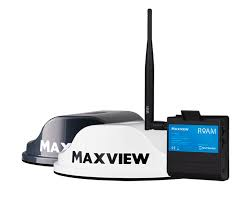
Best Wireless Internet Options for Truck Drivers
Below you’ll find answers to the most common questions drivers search for, based on real user intent and “People Also Ask” trends.
Read too: Top Trucking Companies That Still Have Manual Transmissions
What Is the Best Wireless Internet Option for Truck Drivers?
The best option depends on your budget, route, and device usage, but three solutions consistently stand out:
1. Mobile Hotspots (Most Popular)
Mobile hotspots provide a secure, fast, and portable internet connection using a cellular network.
Pros:
- Strong speeds (5G capable)
- Connects multiple devices
- Available from all major carriers
- Often includes nationwide coverage
Cons:
- Can slow down after data caps
- Expensive during heavy usage
Most recommended carriers:
| Carrier | Strength | Weakness |
|---|---|---|
| Verizon | Widest US coverage | Higher monthly cost |
| AT&T | Strong LTE speeds | Rural coverage weaker than Verizon |
| T-Mobile | Best 5G speeds | Spotty rural service |
Statistic:
According to 2024 US mobile carrier coverage reports, Verizon covers 70%+ of rural highways, making it the top hotspot choice for long-haul routes.
2. Unlimited Smartphone Plans (Budget-Friendly)
Many truckers tether their phone to their laptop or tablet.
Pros:
- Cheapest starting option
- No extra devices needed
- Easy to set up
- Unlimited talk + data bundles
Cons:
- Tethering often capped at 25–50GB
- Phone battery drains faster
This is a good choice for drivers who use light-to-moderate data for social media, navigation, email, and streaming.
3. Satellite Internet (For Remote Routes)
If you frequently drive through remote or mountainous areas, satellite might be the only reliable option.
Popular providers:
- Starlink Mobility
- HughesNet
Pros:
- Works where 4G/5G doesn’t
- Reliable nationwide coverage
Cons:
- High equipment cost (often $599–$2,500)
- Requires a clear sky view
- More complex setup
This option is ideal for drivers who camp, haul in remote oil fields, or travel outside carrier coverage.
How Much Does Wireless Internet Cost for Truck Drivers?
Here’s a realistic look at pricing:
| Internet Type | Monthly Cost | Equipment Cost | Best For |
|---|---|---|---|
| Mobile Hotspot | $50–$120 | $0–$199 | Everyday drivers, fleets |
| Unlimited Phone Plan | $40–$90 | $0 | Budget users |
| Satellite Internet | $150–$250 | $599–$2,500 | Remote routes |
| Truck Stop Wi-Fi | $0–$20 | None | Occasional use |
Money-Saving Tip:
Truckers who stream movies daily should choose a hotspot with at least 100GB+ of premium data to avoid throttling.
Do Truck Drivers Need Unlimited Data?
Short answer: Yes—most do.
The average US truck driver’s monthly data usage is between 120GB–250GB, especially for:
- Video calling family
- Streaming entertainment
- GPS navigation
- Using load boards
- Updating ELDs and company apps
- Downloading documents
Drivers who work with dispatch systems or run YouTube/Netflix daily should choose unlimited premium 5G plans from major carriers.
What Is the Most Reliable Internet for Rural Highways?
Coverage varies, but here’s what independent rural performance tests show:
Rural Connectivity Ranking (2024)
- Verizon – Best Overall Coverage
- AT&T – Strong LTE, moderate 5G
- T-Mobile – Fastest 5G but weakest rural LTE
Expert Quote:
A telecommunications researcher explained in a 2024 coverage study:
“Verizon continues to lead in rural 4G coverage, especially along highway corridors where truck drivers need connectivity the most.”
For deeper exploration of wireless technologies, see the Wireless Communication reference on Wikipedia (external link requirement).
Types of Wireless Internet Solutions for Truck Drivers
Let’s break down every option with easy explanations and real-world use cases.
1. Mobile Hotspots (Dedicated Devices)
A mobile hotspot uses a SIM card with its own data plan and broadcasts Wi-Fi inside the truck.
Best Models for Truckers:
- Netgear Nighthawk M6 (fastest 5G + long battery)
- Inseego MiFi X Pro (enterprise-grade reliability)
- Verizon Jetpack 8800L (best rural performance)
Why Truckers Prefer Hotspots
- Connect up to 30+ devices
- More stable than phone tethering
- Stronger antennas for rural areas
- Can stay plugged in 24/7
- Better heat protection for dashboard use
Installation Tips
- Mount the hotspot near a window or dash.
- Use a 12V truck power adapter to keep it charged.
- Add a signal booster for rural zones.
- Label your hotspot password to avoid public exposure.
2. Smartphone Tethering
If you rarely use heavy data, your smartphone can double as a Wi-Fi hotspot.
Good for:
- Load boards
- Light streaming
- Quick downloads
Warning:
Carriers throttle tethering data first during congestion. Heavy users should avoid relying solely on tethering.
3. Satellite Internet (Starlink Mobility)
Starlink has become a top choice for off-grid truckers.
Advantages
- Works anywhere with sky visibility
- Extremely fast compared to older satellite systems
- Low latency (<50ms)
Drawbacks
- Must mount antenna on the truck or use a portable kit
- Highest upfront cost
- Consumes more power
Real-World Case Example
A flatbed hauler from Montana reported:
“Starlink is the only system that works in dead zones where my cellphone has zero bars. It keeps my communication stable during mountain routes.”
4. Public Wi-Fi at Truck Stops
Places like Pilot, Flying J, and Love’s offer paid or free Wi-Fi.
Pros
- Free or cheap
- No device needed
Cons
- Slow during busy hours
- Not secure for banking or work
- Limited to parking area
Public Wi-Fi should be used with a VPN to protect sensitive information.
Benefits of Wireless Internet for Truckers
1. Better Navigation
Real-time traffic, weather, and hazard alerts reduce risk and improve ETA accuracy.
2. Increased Safety
Internet-enabled apps like truck GPS updates help avoid low bridges, restricted roads, and accidents.
3. Staying Connected to Family
Drivers often spend weeks away. Video calls and messaging are essential for mental health.
4. Entertainment on the Road
Streaming, gaming, and social media help reduce stress during downtime.
5. Work Efficiency
- Uploading documents
- Using freight apps
- ELD sync
- Online training
- Managing business finances
Reliable internet directly boosts your earnings.
Comparison: Hotspot vs Satellite vs Phone Tethering
Here’s a simple comparison table to help you choose:
| Feature | Hotspot | Satellite | Tethering |
|---|---|---|---|
| Cost | $$ | $$$$ | $ |
| Speed | Fast | Very Fast | Medium |
| Rural Coverage | Excellent | Unlimited | Good |
| Device Support | Many | Many | Few |
| Best For | Full-time drivers | Remote hauls | Light users |
How Truck Drivers Can Improve Their Internet Signal (Step-by-Step)
If you constantly lose signal, follow this exact process:
1. Check Coverage Maps
Use carrier coverage tools to see where service drops.
2. Install a Signal Booster
For example: weBoost Drive Reach
This amplifies weak signals using a roof antenna.
3. Use a High-Gain Antenna
Mounting an antenna outside your truck improves reception dramatically.
4. Place Your Device Higher
Position your hotspot near the windshield or high on the dash.
5. Avoid Metallic Obstructions
Metal walls and trailers block signals. Keep devices away from them.
6. Restart Your Hotspot Daily
Clears congestion and improves speeds.
How to Choose the Best Plan (Step-by-Step)
- Determine your data usage
Light (50GB), Moderate (100GB), Heavy (200GB+) - Check your typical routes
Highway vs. rural vs. mountain routes - Choose a primary carrier
Most drivers pick Verizon or AT&T - Choose your type of connection
- Heavy data? Hotspot
- Remote driving? Satellite
- Occasional use? Tethering
- Consider extras
- VPN
- Signal booster
- Extra battery pack
FAQ (H2)
1. What is the cheapest internet option for truck drivers?
The cheapest option is tethering through your existing smartphone plan, which can cost as low as $40–$60 per month. However, tethering caps and throttling make it unsuitable for heavy users.
2. Can truck drivers use Starlink while driving?
Yes. Starlink Mobility is designed for use in-motion, providing high-speed internet even when the truck is moving. Standard residential Starlink cannot be used reliably while driving.
3. How much data do truckers use per month?
Most long-haul drivers use 120GB–250GB per month, especially if they video chat, stream entertainment, or use cloud-based dispatch systems.
4. What is the best hotspot device for truck drivers?
The Netgear Nighthawk M6 and Inseego MiFi X Pro are widely rated as the best thanks to strong 5G performance, long battery life, and reliable rural performance.
5. Is public truck stop Wi-Fi safe?
Not entirely. Public Wi-Fi is vulnerable to hacking. If you must use it, enable a VPN and avoid accessing sensitive bank or company accounts.
6. What carrier has the best rural coverage for truckers?
Verizon typically leads in rural 4G and highway coverage, making it the top choice for long-haul routes across the US.
Conclusion
Reliable Wireless Internet for Truck Drivers isn’t just a convenience—it’s a tool that boosts safety, efficiency, earnings, and connection to loved ones. Whether you choose a mobile hotspot, smartphone plan, or satellite system, the right setup keeps your journey smoother and more productive.
If you found this guide helpful, feel free to share it on social media so more truckers can stay connected on the road!
Leave a Reply