
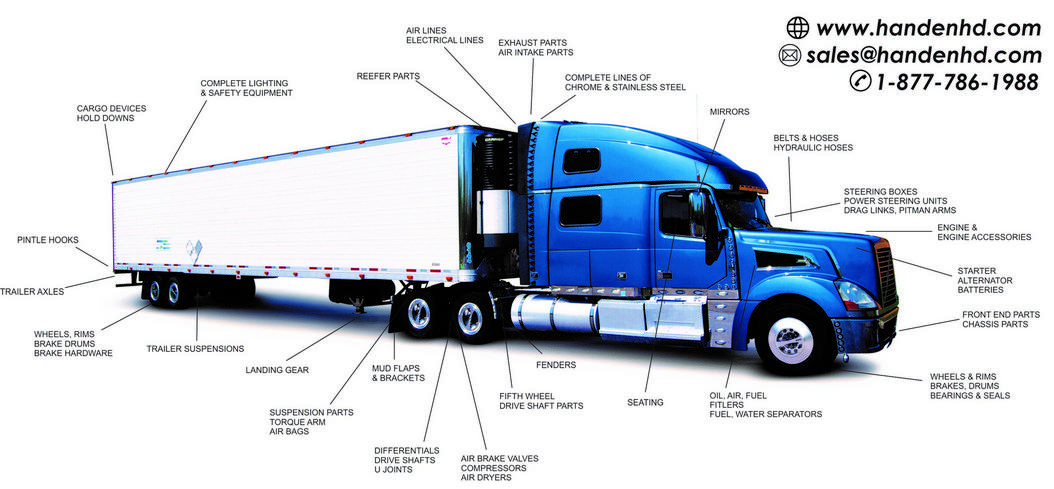
Keeping a truck or trailer running safely requires reliable components and regular maintenance. Understanding All Truck And Trailer Parts helps drivers, fleet managers, and mechanics prevent breakdowns and reduce costly repairs.
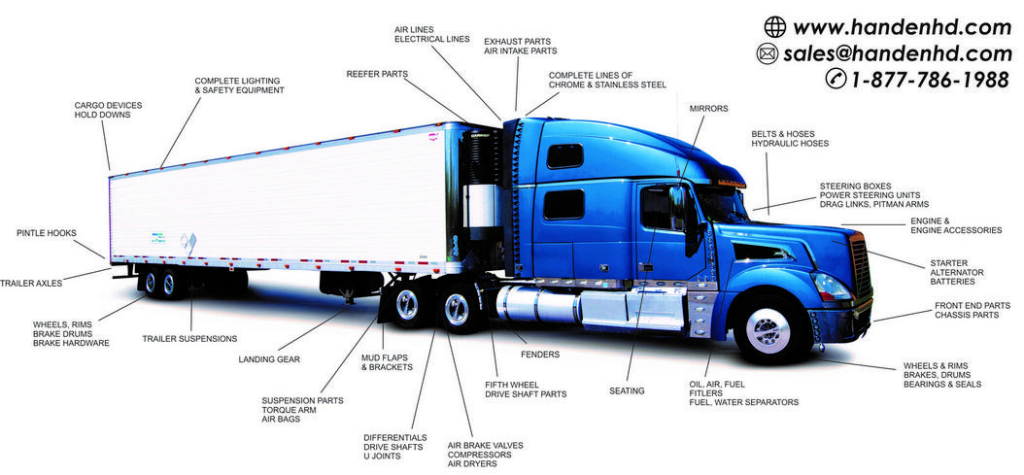
Whether you operate a single truck or manage a fleet, knowing the purpose of each part makes maintenance easier and improves safety on the road. In this comprehensive guide, we’ll explore the most important truck and trailer parts, how they work, and how to choose the right components.
Read too: Top Trucking Companies That Still Have Manual Transmissions
All Truck And Trailer Parts: Understanding the Essentials
When people search for All Truck And Trailer Parts, they usually want to understand the full range of components used in commercial vehicles.
A modern truck and trailer system consists of hundreds of mechanical and electronic parts working together. These components are generally divided into several key categories:
- Engine components
- Transmission parts
- Brake systems
- Suspension systems
- Electrical systems
- Trailer coupling components
- Body and structural parts
Heavy trucks are complex machines designed to transport large loads across long distances. For a technical overview of heavy trucks, see:
https://en.wikipedia.org/wiki/Truck
Understanding these systems helps drivers and technicians diagnose issues faster.
What Are the Most Important Truck Parts?
The truck itself contains the main powertrain and driving components.
Key Truck Components
| Component | Function |
|---|---|
| Engine | Generates power for movement |
| Transmission | Transfers power to wheels |
| Driveshaft | Connects transmission to axles |
| Differential | Allows wheels to rotate at different speeds |
| Cooling system | Prevents engine overheating |
Each component plays a vital role in the truck’s performance and reliability.
Essential Trailer Parts Every Driver Should Know
The trailer is responsible for carrying cargo, so its structural and mechanical components must remain in excellent condition.
Core Trailer Components
- Trailer frame
- Axles
- Suspension system
- Landing gear
- Trailer brakes
- Lights and wiring
Trailer Parts Overview
| Trailer Part | Purpose |
|---|---|
| Axles | Support load and connect wheels |
| Landing gear | Stabilizes trailer when detached |
| Coupling system | Connects trailer to truck |
| Brake system | Ensures safe stopping |
| Lighting system | Provides visibility and signals |
Proper maintenance ensures the trailer remains safe for heavy loads.
Truck Brake System Components
Braking systems are among the most critical safety systems in commercial trucks.
Most heavy trucks use air brake systems.
Main Brake Components
- Air compressor
- Air reservoirs
- Brake chambers
- Slack adjusters
- Brake drums or discs
How Air Brakes Work
- The air compressor generates compressed air.
- Air is stored in tanks.
- When the driver presses the brake pedal, air pressure activates the brake chambers.
- Brake shoes press against the drum to slow the wheels.
Air brake systems are designed to fail safely, meaning loss of pressure automatically applies the brakes.
Suspension Parts in Trucks and Trailers
Suspension systems absorb shocks from rough roads and help maintain vehicle stability.
Important Suspension Parts
- Leaf springs
- Shock absorbers
- Air suspension bags
- Control arms
- Bushings
Benefits of Proper Suspension
- smoother ride
- reduced cargo damage
- improved tire life
- better steering control
Modern fleets increasingly use air suspension systems for improved ride quality.
Electrical Components in Truck and Trailer Systems
Electrical systems power essential functions such as lighting and engine control.
Key Electrical Parts
- Alternator
- Starter motor
- Batteries
- Wiring harnesses
- Sensors
Electrical problems are one of the most common causes of roadside breakdowns.
Routine inspection helps prevent failures.
Coupling Components: Connecting Truck and Trailer
The connection between truck and trailer is extremely important for safety.
Fifth Wheel Coupling System
The fifth wheel is the primary coupling device.
Main components include:
- fifth wheel plate
- kingpin
- locking jaws
- release handle
Coupling Safety Tips
- Inspect kingpin wear regularly
- Ensure proper lubrication
- Verify lock engagement before driving
Improper coupling can lead to dangerous trailer separation.
Tires and Wheels for Trucks and Trailers
Truck tires must handle heavy loads and long-distance travel.
Types of Truck Tires
| Tire Type | Use |
|---|---|
| Steer tires | Front axle steering |
| Drive tires | Power and traction |
| Trailer tires | Load support |
Tire Maintenance Tips
- Maintain proper tire pressure
- Inspect tread depth
- Rotate tires regularly
- Replace damaged tires immediately
Proper tire care improves fuel efficiency and safety.
How to Choose the Right Truck and Trailer Parts
Selecting the right parts ensures reliability and safety.
Step-by-Step Buying Guide
Step 1: Identify the exact part
Use the truck’s VIN or manufacturer part number.
Step 2: Verify compatibility
Check the part fits your truck model and year.
Step 3: Choose quality brands
Reliable manufacturers often provide better durability.
Step 4: Compare prices
Balance cost with quality.
Step 5: Check warranties
Good suppliers offer warranties on major components.
OEM vs Aftermarket Truck Parts
Many drivers wonder whether to buy OEM or aftermarket parts.
OEM Parts
Pros
- manufacturer quality
- guaranteed compatibility
- strong reliability
Cons
- higher cost
Aftermarket Parts
Pros
- lower price
- wider availability
Cons
- quality varies by manufacturer
For critical systems like brakes and steering, OEM parts are often recommended.
Preventive Maintenance for Truck and Trailer Parts
Preventive maintenance reduces breakdown risk and repair costs.
Maintenance Checklist
- inspect brakes monthly
- check tire pressure weekly
- examine suspension components
- test electrical systems
- lubricate moving parts
Fleet maintenance programs reduce downtime and extend vehicle lifespan.
Common Signs of Worn Truck and Trailer Parts
Drivers should watch for early warning signs of failure.
Warning Signs
- unusual noises
- reduced braking performance
- uneven tire wear
- steering vibration
- fluid leaks
Early repairs prevent more serious damage.
Future Trends in Truck Parts Technology
Technology is rapidly changing the trucking industry.
Emerging Innovations
- smart sensors for predictive maintenance
- lightweight composite materials
- electric truck powertrains
- advanced braking systems
These innovations improve efficiency and safety.
FAQ – All Truck And Trailer Parts
What are the most important truck and trailer parts?
The most critical components include engine systems, brakes, suspension, tires, electrical systems, and coupling devices.
How often should truck parts be inspected?
Most experts recommend daily pre-trip inspections and monthly detailed checks.
Are aftermarket truck parts reliable?
Some aftermarket parts are reliable, but quality varies. Always buy from trusted manufacturers.
What is the purpose of a fifth wheel?
The fifth wheel connects the truck tractor to the trailer and allows the trailer to pivot during turns.
How long do truck parts typically last?
Lifespan depends on usage, but many parts last 100,000 to 500,000 miles with proper maintenance.
Why is preventive maintenance important?
Preventive maintenance reduces breakdowns, lowers repair costs, and improves road safety.
Conclusion
Understanding All Truck And Trailer Parts is essential for maintaining safe and efficient commercial vehicles. From engines and braking systems to suspension and coupling components, every part plays a crucial role in keeping trucks moving safely.
Regular inspections, high-quality parts, and preventive maintenance can significantly extend the life of both trucks and trailers.
If you found this guide helpful, feel free to share it on social media so other drivers, mechanics, and fleet managers can keep their vehicles operating safely and efficiently on the road. 🚛
Leave a Reply