
When your truck breaks down—or your trailer suddenly fails—it can derail your schedule, cost your business money, and create stressful delays. That’s why finding a trustworthy Chicago Truck & Trailer Repair Shop is crucial for every owner-operator and fleet manager. This guide explains exactly what to look for, what services matter most, and how to choose the right repair shop in the Chicago area.
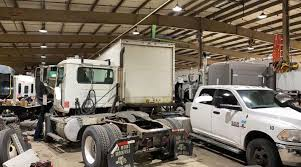
What Makes a Chicago Truck & Trailer Repair Shop Truly Reliable?
A dependable repair shop must deliver more than quick fixes. It needs to offer dependable service, certified technicians, and transparent pricing.
Read too: Top Trucking Companies That Still Have Manual Transmissions
According to industry reports, over 68% of commercial truck downtime is caused by preventable mechanical issues—proving that choosing the right repair shop directly impacts business success.
A high-quality Chicago shop typically provides:
- ASE-certified diesel mechanics
- 24/7 emergency roadside service
- Full diagnostics for trucks and trailers
- DOT inspections and compliance support
- Fair, upfront estimates
- Fast turnaround time
These features ensure you’re not just fixing problems—you’re preventing future breakdowns.
Why Do Truck Drivers Choose a Professional Chicago Truck & Trailer Repair Shop?
Truckers and fleet operators choose professional repair shops because they deliver specialized expertise that general auto shops simply can’t match.
1. Advanced Diesel Diagnostics
Commercial trucks require computer-based diagnostics. A top repair shop uses:
- OEM-level scanners
- Diesel engine software
- Electronic logging device (ELD) integration
- Load testing tools
These allow technicians to identify issues quickly and reduce unnecessary repairs.
2. 24/7 Roadside Assistance
Chicago’s highways—especially I-90, I-94, and I-55—are high-traffic routes where breakdowns are common. Professional repair shops provide emergency services such as:
- Tire replacement
- Jump starts
- Fuel delivery
- Mobile welding
- On-site minor repairs
This keeps drivers moving and minimizes costly downtime.
3. DOT Inspection Support
Many truckers worry about Department of Transportation (DOT) violations. A repair shop offering DOT inspections ensures:
- Brake compliance
- Tire and wheel safety
- Proper lighting and electrical systems
- Suspension and frame integrity
- Leak-free engine and fuel systems
This prevents tickets and improves overall fleet safety.
4. Fleet Maintenance Programs
For fleet owners, preventive maintenance saves significant money. Studies show fleets can reduce repair costs by up to 40% with consistent maintenance programs.
These programs usually include:
- Scheduled oil changes
- Brake checks
- Transmission service
- Trailer liftgate repair
- Tire rotations and replacements
- Cooling system inspection
Common Truck & Trailer Issues Fixed by Chicago Shops
Below are the most frequent problems drivers encounter and how professional shops address them.
1. Engine Problems
Diesel engines face issues like:
- Loss of power
- Excessive smoke
- Faulty fuel injectors
- Turbocharger failure
Technicians perform compression tests, injector cleaning, and ECM resets.
2. Brake System Failures
Trailer and truck brakes are crucial for safety. Repairs include:
- Air brake system testing
- Drum and rotor replacement
- ABS troubleshooting
3. Electrical Issues
Chicago weather often causes electrical component failure. Shops repair:
- Battery and alternator issues
- Faulty lighting
- Wiring corrosion
- Trailer connection problems
4. Suspension & Steering Problems
Common signs:
- Uneven tire wear
- Loose steering
- Excessive bouncing
Repairs typically include leaf spring replacement and alignment services.
5. Transmission & Clutch Repairs
A professional shop handles:
- Fluid changes
- Transmission rebuilds
- Clutch adjustments
6. Trailer Structural Damage
Trailers endure heavy loads and tough roads. Repairs include:
- Welding
- Floor replacement
- Roof patching
- Door repairs
Choosing the Right Chicago Truck & Trailer Repair Shop
Here’s a simple checklist to ensure you select the right shop.
1. Check Certifications
Look for:
- ASE certifications
- Manufacturer training (Freightliner, Kenworth, Volvo)
- Diesel technology credentials
2. Verify Experience
A shop with 10+ years in the industry is more likely to diagnose problems accurately.
3. Review Tools & Equipment
The best shops invest in:
- Diagnostic computers
- Hydraulic lifts for heavy-duty trucks
- Trailer alignment systems
4. Ask About Response Time
Fast service reduces downtime. The best Chicago shops offer:
- Same-day repairs
- Priority service for fleets
- Rapid roadside response times
5. Compare Pricing & Warranty
A reputable shop provides:
- Clear pricing estimates
- Parts and labor warranties
- Preventive maintenance discounts
6. Read Customer Reviews
Platforms like Google Maps and Yelp help you understand:
- Quality of work
- Honesty of estimates
- Professionalism of mechanics
Chicago Truck & Trailer Repair: Service Comparison Chart
| Service | Mobile Mechanic | Professional Repair Shop | Dealership |
|---|---|---|---|
| Diagnostics | Basic | Full OEM diagnostics | Full OEM |
| Response Time | Fast | Fast | Slow |
| Price | Low/Medium | Medium | High |
| Repair Quality | Moderate | High | High |
| Parts Availability | Limited | Large inventory | OEM only |
| Best For | Emergencies | Regular repairs | Warranty repairs |
This comparison shows why many drivers choose a Chicago Truck & Trailer Repair Shop over dealerships—faster service and more flexibility.
Step-by-Step: What Happens During a Truck Repair Appointment?
1. Initial Inspection
Technician checks:
- Visible leaks
- Tire condition
- Brake lines
- Electrical systems
2. Computer Diagnostics
Using diesel diagnostic software, technicians scan for:
- ECM codes
- Sensor malfunction
- Fuel system errors
3. Repair Plan & Estimate
You receive:
- A written estimate
- Expected repair time
- Parts list
4. Repair Work Begins
Depending on the issue, this may include:
- Replacing components
- Welding
- Electrical rewiring
- Reprogramming ECM
5. Final Safety Check
Technicians confirm:
- No leaks
- Brake performance
- Lighting compliance
- Proper system calibration
6. Road Test
Your truck is test-driven to ensure performance and safety.
7. Maintenance Recommendations
You receive a maintenance plan tailored to your truck or trailer.
Maintenance Tips from Diesel Experts
1. Change Oil Every 10,000–15,000 Miles
Depending on truck load, engine type, and driving conditions.
2. Inspect Brake Systems Monthly
Especially for trucks hauling heavy loads.
3. Rotate Tires Every 25,000–30,000 Miles
Helps prevent uneven wear.
4. Check Electrical Systems After Storms
Chicago winters cause water damage and corrosion.
5. Perform Seasonal Maintenance
Before winter:
- Battery load test
- Fuel additive for anti-gel
- Coolant check
6. Keep Trailers Clean
Mud and debris accelerate corrosion.
Authoritative External Resource
For more on truck components and diesel engines, see the truck article at Wikipedia (Wikipedia.org).
FAQs
Q1: How much does a Chicago truck and trailer repair usually cost?
Typical repairs range from $150 to $2,500, depending on the issue. Diagnostics average $100–$200, while major engine or transmission repairs cost more.
Q2: Do Chicago repair shops offer emergency roadside assistance?
Yes. Many offer 24/7 mobile service for jump starts, tire changes, welding, and minor on-site repairs.
Q3: Can repair shops handle refrigerated trailers (reefers)?
Most professional shops do. They work on reefer units such as Thermo King and Carrier, offering diagnostics, fuel system checks, and cooling repairs.
Q4: Do I need an appointment for service?
Walk-ins are often accepted, but appointments guarantee faster turnaround—especially during winter months when breakdowns increase.
Q5: How long do repairs usually take?
Small repairs may be completed in 1–3 hours, while major engine or trailer repairs can take 1–3 days depending on parts availability.
Q6: What payment options do truck repair shops accept?
Most accept cash, credit cards, fleet cards (Comdata, EFS), and business checks.
Conclusion
A reliable Chicago Truck & Trailer Repair Shop is essential for keeping your truck on the road, protecting your cargo, and minimizing costly downtime. With expert diagnostics, certified technicians, and comprehensive services, the right shop ensures safety and peace of mind for every driver and fleet owner.
If this guide helped you understand what to look for in a repair shop, feel free to share it on your social media so other truckers and fleet managers can benefit too!
Leave a Reply