
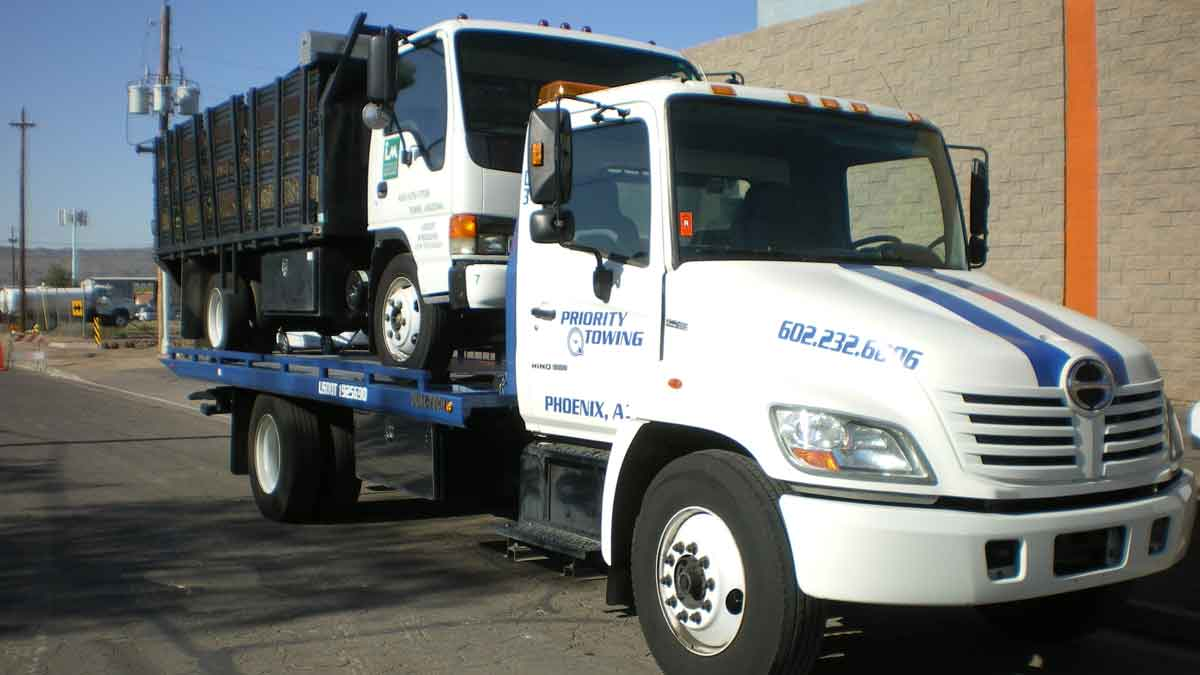
Getting stranded on the road due to a breakdown or accident can be stressful and even dangerous — especially if you’re driving a larger vehicle like an SUV, van, or delivery truck. That’s where a Medium Duty Tow Truck Service comes in. These professional services are designed to handle vehicles that are too heavy for light-duty towing but don’t require the massive strength of heavy-duty rigs.
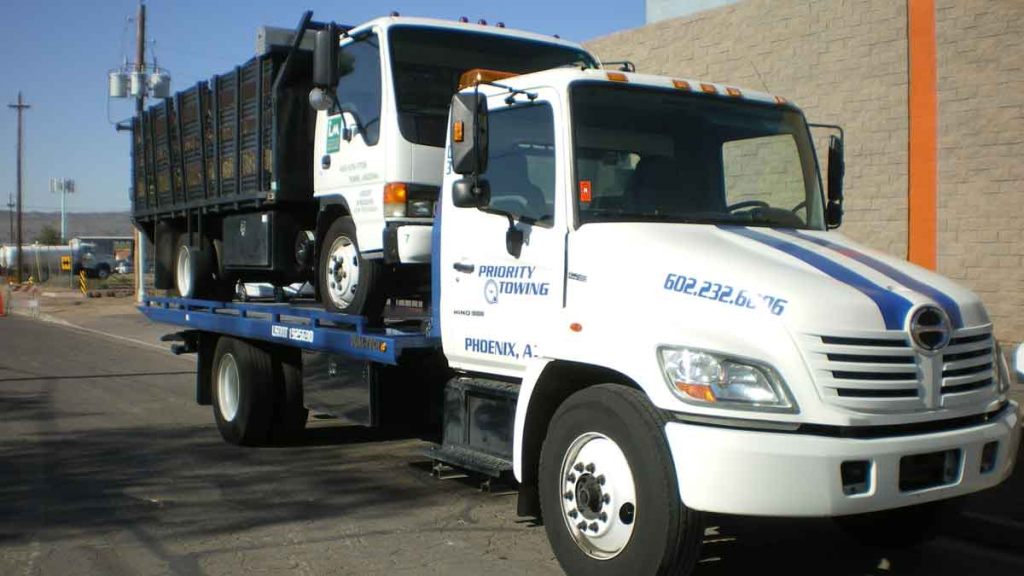
In this article, you’ll learn what a medium duty tow truck service is, how it works, what vehicles it can handle, and why it’s an essential solution for businesses and everyday drivers alike.
Read too: Top Trucking Companies That Still Have Manual Transmissions
What Is a Medium Duty Tow Truck Service?
A Medium Duty Tow Truck Service provides towing and recovery solutions for vehicles weighing between 10,001 and 26,000 pounds (4,500–11,800 kg). This category includes most delivery trucks, box vans, RVs, commercial pickups, and small buses.
Unlike standard light-duty tow trucks, medium-duty tow trucks are built with reinforced frames, hydraulic winches, and underlifts capable of safely lifting and transporting mid-sized commercial vehicles without damage.
Common Vehicles Serviced
- Cargo vans and delivery vehicles
- Medium box trucks
- Utility trucks and service vans
- Small buses or RVs
- Commercial pickups
According to the American Towing and Recovery Institute, medium-duty trucks account for over 40% of all towing operations nationwide, making them a crucial part of the roadside assistance industry.
How a Medium Duty Tow Truck Works
Medium-duty tow trucks use advanced mechanical and hydraulic systems to lift and secure vehicles without direct contact with the body. This minimizes potential damage and ensures stability during transport.
Step-by-Step Process
- Assessment: The tow operator evaluates your vehicle’s weight, damage level, and recovery conditions.
- Positioning: The truck is positioned strategically to minimize traffic disruption.
- Attachment: Hydraulic underlifts or wheel lifts are extended beneath the disabled vehicle.
- Lifting: The vehicle is partially lifted so that two wheels remain on the ground.
- Towing: The truck then safely transports the vehicle to a repair shop or designated location.
Medium-duty trucks may also use flatbeds when dealing with vehicles that are severely damaged or cannot roll on their own.
Key Features of Medium Duty Tow Trucks
| Feature | Description |
|---|---|
| Hydraulic Wheel-Lift System | Lifts vehicles quickly and securely. |
| Underlift Support | Prevents frame or bumper damage. |
| Integrated Winch System | Useful for recovery from ditches or tough terrain. |
| Dual Rear Axles | Provides better weight distribution and towing stability. |
| Advanced Safety Lights | Ensures visibility during nighttime or roadside operations. |
These features make medium duty towing ideal for both urban breakdowns and commercial fleet recovery.
Medium Duty vs. Light Duty vs. Heavy Duty Tow Trucks
| Type | Vehicle Weight Range | Typical Vehicles | Ideal Use |
|---|---|---|---|
| Light Duty | Up to 10,000 lbs | Sedans, small SUVs | Everyday roadside towing |
| Medium Duty | 10,001–26,000 lbs | Vans, box trucks | Fleet or delivery recovery |
| Heavy Duty | 26,001+ lbs | Buses, tractor-trailers | Industrial and long-haul towing |
➡ Conclusion: Medium-duty tow trucks fill the gap between everyday vehicles and large commercial rigs, making them the most versatile towing category.
Why Choose a Professional Medium Duty Tow Truck Service
Professional towing isn’t just about moving a vehicle — it’s about safety, precision, and reliability. Here are the main reasons you should trust certified medium-duty tow providers:
1. Safety and Damage Prevention
Trained operators know how to secure vehicles without harming axles, transmissions, or suspensions.
2. Specialized Equipment
Medium-duty tow trucks use hydraulic lift systems, reinforced frames, and stabilizing arms to handle complex recoveries.
3. Rapid Response Time
Most companies offer 24/7 emergency service, arriving within 30–60 minutes of your call.
4. Insurance and Licensing
Professional services are fully insured and licensed, offering peace of mind that your vehicle is covered.
5. Cost Efficiency
While rates vary, medium-duty towing typically costs $150–$300, depending on distance and vehicle type — much less than the potential damage of DIY towing.
When to Call a Medium Duty Tow Truck Service
Knowing when to call for medium-duty towing can save you time and money. Common scenarios include:
- Engine failure or transmission issues in delivery trucks
- Accidents or roadside breakdowns involving larger vehicles
- Fleet recovery for logistics companies
- Transporting RVs or box trucks across long distances
If your vehicle is too heavy for a standard tow but doesn’t require industrial-grade equipment, a medium-duty tow truck is the perfect solution.
Medium Duty Tow Truck Brands and Models
| Brand | Model | Capacity | Special Feature |
|---|---|---|---|
| Freightliner M2 | Jerr-Dan 12 Ton | 24,000 lbs | Heavy-duty hydraulic winch |
| International MV607 | Century 3212 | 20,000 lbs | Integrated wheel lift |
| Ford F-650 | Vulcan V30 | 16,000 lbs | Dual rear axles |
| Ram 5500 | Miller Industries 10 Ton | 19,500 lbs | Low-profile underlift system |
Learn more about towing classifications at Wikipedia – Tow truck.
Pros and Cons of Medium Duty Tow Truck Services
| Pros | Cons |
|---|---|
| Handles a wide range of vehicles | Higher cost than light-duty towing |
| Safe and stable towing | Limited availability in rural areas |
| Quick recovery time | Requires trained operators |
| Reduces risk of vehicle damage | May need special permits in some states |
Tips for Choosing the Right Tow Service
- Check Certifications: Look for WreckMaster or Towing and Recovery Association of America (TRAA) certifications.
- Ask About Equipment: Ensure they use modern, well-maintained medium-duty trucks.
- Read Customer Reviews: High ratings on Google or Yelp indicate reliability.
- Confirm 24/7 Availability: Emergencies can happen anytime.
- Get Transparent Pricing: Avoid services that refuse to give upfront estimates.
A reputable medium duty tow truck service will always provide clarity, documentation, and professional communication.
Frequently Asked Questions (FAQ)
1. What qualifies as a medium-duty vehicle?
Any vehicle weighing between 10,001–26,000 lbs, including delivery trucks, RVs, and small buses.
2. How much does a medium-duty tow cost?
Prices typically range from $150 to $300, depending on distance, weight, and service type.
3. Can medium-duty tow trucks handle all-wheel-drive vehicles?
Yes. Most have advanced underlift systems that prevent drivetrain damage during towing.
4. Do medium-duty tow trucks operate in all weather conditions?
Absolutely. Modern trucks feature traction systems and safety lighting for snow, rain, or night recovery.
5. Are these services available for long-distance towing?
Yes. Many companies offer regional and interstate towing for commercial fleets and RV owners.
6. What should I do while waiting for a tow truck?
Stay inside your vehicle with hazard lights on if it’s safe, or move to a secure location away from traffic.
Conclusion
A Medium Duty Tow Truck Service is more than a roadside solution — it’s a lifeline for drivers of larger vehicles who need fast, safe, and professional recovery. Whether you operate a fleet of delivery vans or just drive a heavy-duty pickup, having access to reliable towing ensures peace of mind on every journey.
Next time your vehicle breaks down, don’t risk damage or delay — call a certified medium-duty tow truck service near you.
Leave a Reply