
Being rear-ended by a semi truck is a traumatic experience that can change your life in seconds. Beyond the physical injuries, victims often face mounting medical bills, lost income, and emotional distress. Understanding how a Rear-Ended By Semi Truck Settlement works can help you protect your rights and pursue the compensation you deserve with confidence.
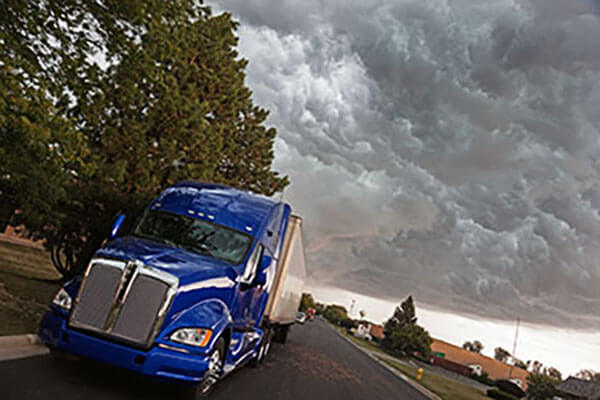
This guide is written for readers in the United States who want clear, practical answers—not legal jargon—about what to expect after a serious truck accident.
Read too: Top Trucking Companies That Still Have Manual Transmissions
What Does “Rear-Ended By Semi Truck Settlement” Mean?
A Rear-Ended By Semi Truck Settlement refers to financial compensation paid to a victim who was hit from behind by a commercial truck, usually a semi or tractor-trailer. These settlements typically resolve claims without going to trial and cover damages caused by the truck driver or trucking company’s negligence.
Unlike regular car accidents, semi truck collisions involve:
- Commercial insurance policies (often worth $750,000–$1,000,000+)
- Federal trucking regulations
- Multiple potentially liable parties
Because of these factors, settlements involving semi trucks are usually higher and more complex than standard rear-end car accident claims.
Why Are Semi Truck Rear-End Accidents So Dangerous?
Semi trucks can weigh up to 80,000 pounds when fully loaded. When that much force hits a passenger vehicle from behind, the consequences are often severe.
Common Injuries in Semi Truck Rear-End Collisions
- Traumatic brain injuries (TBI)
- Spinal cord injuries and paralysis
- Herniated discs and chronic back pain
- Internal organ damage
- Broken bones and complex fractures
According to data summarized in trucking safety research, rear-end crashes involving large trucks are far more likely to cause catastrophic injury or death than passenger vehicle crashes. The physics alone explain why settlements are often substantial.
Who Is Liable in a Rear-End Semi Truck Accident?
One of the most common questions victims ask is: “Who pays the settlement?”
In a rear-end semi truck accident, liability may fall on one or more of the following:
1. The Truck Driver
If the driver was speeding, distracted, fatigued, or impaired, they may be directly responsible.
2. The Trucking Company
Trucking companies can be held liable for:
- Negligent hiring or training
- Forcing drivers to violate hours-of-service rules
- Poor vehicle maintenance
3. A Maintenance Provider
If faulty brakes or mechanical failures caused the crash, a third-party maintenance company may share liability.
4. The Truck or Parts Manufacturer
In rare cases, defective parts can shift responsibility to the manufacturer.
In many Rear-Ended By Semi Truck Settlement cases, multiple parties contribute, increasing the total compensation available.
How Much Is a Rear-Ended By Semi Truck Settlement Worth?
Settlement values vary widely based on injuries, liability, and long-term impact. However, there are realistic ranges based on real-world cases.
Average Settlement Ranges (Estimated)
| Injury Severity | Typical Settlement Range |
|---|---|
| Minor injuries | $50,000 – $150,000 |
| Moderate injuries | $150,000 – $500,000 |
| Severe or permanent injuries | $500,000 – $2,000,000+ |
| Wrongful death | $1,000,000 – $5,000,000+ |
These numbers are not guarantees, but they reflect patterns seen in serious truck accident claims.
What Factors Increase the Value of a Settlement?
Several elements can significantly raise a Rear-Ended By Semi Truck Settlement amount:
Key Value Drivers
- Severity of injuries (especially permanent disability)
- Clear evidence of negligence
- Long-term medical care needs
- Lost earning capacity
- Pain and suffering documentation
Evidence That Strengthens Your Claim
- Police accident reports
- Dashcam or surveillance footage
- Black box (event data recorder) data from the truck
- Medical records and expert opinions
- Witness statements
The more concrete your evidence, the stronger your negotiating position.
Is the Truck Driver Always at Fault in Rear-End Accidents?
In most rear-end collisions, the following vehicle is presumed at fault. However, trucking cases are more nuanced.
A semi truck driver may not be 100% at fault if:
- Your brake lights were not working
- You made a sudden, unsafe stop
- Another vehicle cut off the truck moments before impact
That said, truck drivers are held to higher safety standards under federal regulations. Violations of those standards often tip the scales in favor of the injured victim.
Step-by-Step: How the Settlement Process Works
If you’ve never filed a truck accident claim, the process can feel overwhelming. Here’s a simplified breakdown.
Step 1: Immediate Medical Treatment
Seek medical care immediately—even if symptoms seem mild. Delayed treatment can reduce settlement value.
Step 2: Accident Investigation
Your attorney gathers:
- Police reports
- Truck maintenance logs
- Driver logs and black box data
Step 3: Demand Letter
A formal demand is sent to the insurance company outlining:
- Liability
- Injuries
- Compensation requested
Step 4: Negotiation
Most Rear-Ended By Semi Truck Settlements are resolved here without court involvement.
Step 5: Lawsuit (If Needed)
If negotiations fail, filing a lawsuit often pressures insurers to offer a fair settlement.
Settlement vs Trial: Pros and Cons
Settlement Advantages
- Faster resolution
- Guaranteed compensation
- Lower legal costs
- Less emotional stress
Trial Advantages
- Potentially higher award
- Public accountability
- Jury sympathy in severe injury cases
Most victims choose settlement, but trial remains an option when insurers refuse to negotiate fairly.
How Long Does a Semi Truck Settlement Take?
Timelines vary, but realistic expectations are important.
- Simple cases: 3–6 months
- Moderate injury cases: 6–12 months
- Severe injury cases: 12–24 months or longer
Cases involving catastrophic injuries often take longer because future medical costs must be accurately calculated.
How Federal Trucking Laws Affect Settlements
Commercial trucking in the U.S. is governed by strict federal rules. Violations of these regulations can significantly increase settlement value.
For an overview of how commercial trucking is regulated, see the general explanation on Wikipedia about trucking and safety standards
Common violations include:
- Exceeding legal driving hours
- Falsifying logbooks
- Poor vehicle inspections
- Overloaded cargo
Proof of violations often leads to higher settlements due to clear negligence.
What Should You Avoid After Being Rear-Ended by a Semi Truck?
Mistakes can seriously reduce your compensation.
Avoid These Common Errors
- Giving recorded statements without legal advice
- Accepting an early low settlement
- Posting accident details on social media
- Skipping medical appointments
Insurance companies are trained to minimize payouts—your caution protects your claim.
Do You Need a Lawyer for a Rear-Ended By Semi Truck Settlement?
Technically, no. Practically, yes.
Truck accident cases involve:
- Corporate defense teams
- Complex insurance policies
- Federal safety regulations
Victims represented by experienced truck accident attorneys often recover significantly higher settlements than those who negotiate alone.
FAQ: Rear-Ended By Semi Truck Settlement
Q1: What if I was partially at fault?
You may still recover compensation under comparative negligence laws, though your settlement may be reduced by your percentage of fault.
Q2: Can I settle without going to court?
Yes. The majority of rear-end semi truck cases settle before trial.
Q3: Are settlements taxable?
Generally, compensation for physical injuries is not taxable, but portions for lost wages or punitive damages may be. Consult a tax professional.
Q4: What if the trucking company denies liability?
Denial is common. Strong evidence and legal pressure often change their position during negotiations.
Q5: How much does a lawyer cost?
Most truck accident lawyers work on a contingency fee, meaning you pay nothing unless you win your settlement.
Conclusion
A Rear-Ended By Semi Truck Settlement can provide vital financial relief after a devastating accident—but only if your claim is handled correctly. From understanding liability to avoiding common mistakes, knowledge is your strongest asset.
If this guide helped clarify your next steps, consider sharing it with friends or family on social media. You never know who might need this information after a serious truck accident.
Leave a Reply