
Winter driving can be challenging, especially when roads become icy, slippery, and unpredictable. Many drivers start searching for Trucks That Are Good In The Snow because they want a vehicle that offers traction, stability, and safety during harsh weather.
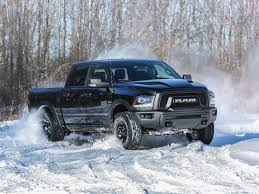
Fortunately, modern pickup trucks are designed with advanced features like four-wheel drive (4WD), traction control, and stability systems. In this guide, we’ll explore the best trucks for snowy conditions, what features matter most, and how to choose the right winter-ready pickup.
Read too: Top Trucking Companies That Still Have Manual Transmissions
What Makes Trucks That Are Good In The Snow?
When evaluating Trucks That Are Good In The Snow, several key features determine how well a vehicle performs on icy or snowy roads.
Essential Snow Driving Features
1. Four-Wheel Drive (4WD)
4WD sends power to all four wheels, improving traction when roads are slippery.
2. High Ground Clearance
Snow buildup can block low vehicles. Trucks with 8–10 inches of clearance perform better in deep snow.
3. Winter Tires
According to automotive safety experts, winter tires can improve stopping distance on snow by 30–40% compared to all-season tires.
4. Electronic Stability Control
This system helps prevent skidding by automatically adjusting braking and engine power.
For deeper technical details about vehicle drivetrain systems, you can read the overview of four-wheel drive on Wikipedia:
https://en.wikipedia.org/wiki/Four-wheel_drive
Best Trucks That Are Good In The Snow (2025 Picks)
Below are some of the most reliable winter-ready trucks available today.
1. Ford F-150
The Ford F-150 consistently ranks among the best winter trucks due to its balance of power and advanced technology.
Key Snow Features
- Intelligent 4WD system
- Selectable drive modes (including Snow/Wet Mode)
- Ground clearance around 9.4 inches
- Optional locking rear differential
Why It Works Well In Snow
The F-150’s drive modes automatically adjust throttle response, braking sensitivity, and traction control, helping drivers maintain stability in icy conditions.
Pros vs Cons
Pros
- Excellent traction control
- Wide engine options
- Strong resale value
Cons
- Higher trims can be expensive
- Large size can be difficult in tight snowy streets
2. Toyota Tacoma
The Toyota Tacoma is known for durability and strong off-road performance, making it an excellent option for winter climates.
Winter Advantages
- Part-time 4WD system
- Crawl control for low-speed traction
- Multi-terrain select modes
- Strong reliability ratings
Real-World Performance
Owners in snowy states like Colorado and Minnesota frequently praise the Tacoma for its predictable handling and strong traction on mountain roads.
3. Ram 1500
The Ram 1500 offers one of the smoothest rides in the pickup truck category while still performing well in winter conditions.
Notable Features
- Optional air suspension system
- Advanced traction control
- Snow mode in drive settings
- Strong weight distribution
Snow Driving Advantage
The Ram’s suspension system helps maintain tire contact with slippery surfaces, improving traction.
4. Chevrolet Silverado 1500
The Chevrolet Silverado 1500 is another excellent truck designed for challenging environments.
Snow-Friendly Features
- Autotrac 4WD system
- Hill descent control
- Multiple terrain modes
- Strong towing and torque output
Ideal For
Drivers who regularly encounter:
- Deep rural snow
- Icy highways
- Mountain terrain
5. Nissan Frontier
The Nissan Frontier is often overlooked, but it performs surprisingly well in winter conditions.
Key Strengths
- Intelligent 4×4 system
- Hill descent assist
- Compact size for urban winter driving
- Affordable price point
This truck is particularly useful for drivers who want winter capability without the cost of larger pickups.
Mid-Size vs Full-Size Trucks: Which Is Better In Snow?
Choosing between midsize and full-size trucks depends on your driving needs.
Comparison Table
| Feature | Mid-Size Trucks | Full-Size Trucks |
|---|---|---|
| Maneuverability | Better in cities | Harder in tight roads |
| Power | Moderate | High |
| Ground Clearance | Good | Often higher |
| Fuel Economy | Better | Lower |
| Snow Performance | Good with winter tires | Excellent with 4WD |
Quick Recommendation
- Urban drivers: Mid-size trucks like Tacoma or Frontier
- Rural drivers: Full-size trucks like F-150 or Silverado
How To Improve Any Truck’s Snow Performance
Even if your truck is already good in winter conditions, a few upgrades can dramatically improve safety.
Step 1: Install Winter Tires
Winter tires are designed with special rubber compounds that stay flexible in cold temperatures.
Recommended tire depth:
- Minimum tread depth: 6/32 inches
- Ideal winter tire pressure: 32–35 PSI
Step 2: Add Weight to the Truck Bed
Pickup trucks often have light rear ends.
Adding 150–300 pounds of weight (such as sandbags) improves traction for rear wheels.
Important placement:
- Position weight directly above the rear axle.
Step 3: Use 4WD Properly
Drivers often misuse 4WD.
Correct usage tips:
- Use 4H (four-high) on snowy roads.
- Use 4L (four-low) only in deep snow or off-road situations.
Step 4: Reduce Speed
According to winter driving safety studies, vehicles should reduce speed by 30–40% during snowstorms to maintain safe stopping distances.
Advantages vs Disadvantages of Trucks in Snow
Pickup trucks perform well in winter, but they are not perfect.
Advantages
- Higher ground clearance
- Strong engines for deep snow
- 4WD capability
- Durable build for harsh conditions
Disadvantages
- Lighter rear axle traction
- Larger turning radius
- Higher fuel consumption
However, with proper tires and weight distribution, trucks can outperform many SUVs in severe winter conditions.
Common Mistakes When Driving Trucks In Snow
Many drivers assume trucks are automatically safe in winter. That’s not always true.
Avoid These Errors
Driving too fast
Even with 4WD, stopping distance remains the same.
Using cruise control
This can cause loss of traction on icy roads.
Ignoring tire condition
Tires are more important than drivetrain.
Overconfidence in 4WD
4WD helps you move, but it doesn’t improve braking.
FAQ: Trucks That Are Good In The Snow
What trucks are best for driving in snow?
Popular options include Ford F-150, Toyota Tacoma, Ram 1500, Chevrolet Silverado, and Nissan Frontier because they offer strong 4WD systems and good ground clearance.
Are trucks better than SUVs in snow?
Trucks can perform very well in snow, especially with winter tires and added weight in the bed. However, some SUVs offer better weight distribution.
Do you need snow tires for trucks?
Yes. Snow tires significantly improve traction and braking performance compared to all-season tires.
Is 4WD necessary for snow driving?
While not mandatory, 4WD greatly improves traction when accelerating on snowy or icy roads.
How much weight should you put in a truck bed for snow?
Experts recommend 150–300 pounds placed above the rear axle to improve traction.
Are rear-wheel drive trucks bad in snow?
Rear-wheel drive trucks can struggle in snow without extra weight and winter tires. Using 4WD mode makes a significant difference.
Conclusion
Choosing Trucks That Are Good In The Snow can make winter driving safer and far less stressful. Models like the Ford F-150, Toyota Tacoma, Ram 1500, Chevrolet Silverado, and Nissan Frontier provide strong traction, reliable 4WD systems, and high ground clearance.
However, the best winter performance comes from combining the right truck with smart preparation:
- Install winter tires
- Add weight to the truck bed
- Use 4WD properly
- Drive cautiously during storms
With the right setup, your truck can confidently handle snowy roads, icy highways, and challenging winter conditions.
If you found this guide helpful, feel free to share it on social media so other drivers can learn which trucks perform best in winter weather. 🚚❄️
Leave a Reply