
A broken or jammed roll-up door can bring your delivery schedule to a halt, cost you money, and create a major safety risk. Many drivers struggle to find reliable Box Truck Roll Up Door Repair options that are fast, affordable, and safe. This guide helps you understand what’s wrong, how to fix it, and when to call a pro—written simply and clearly, even if you’ve never repaired a door before.
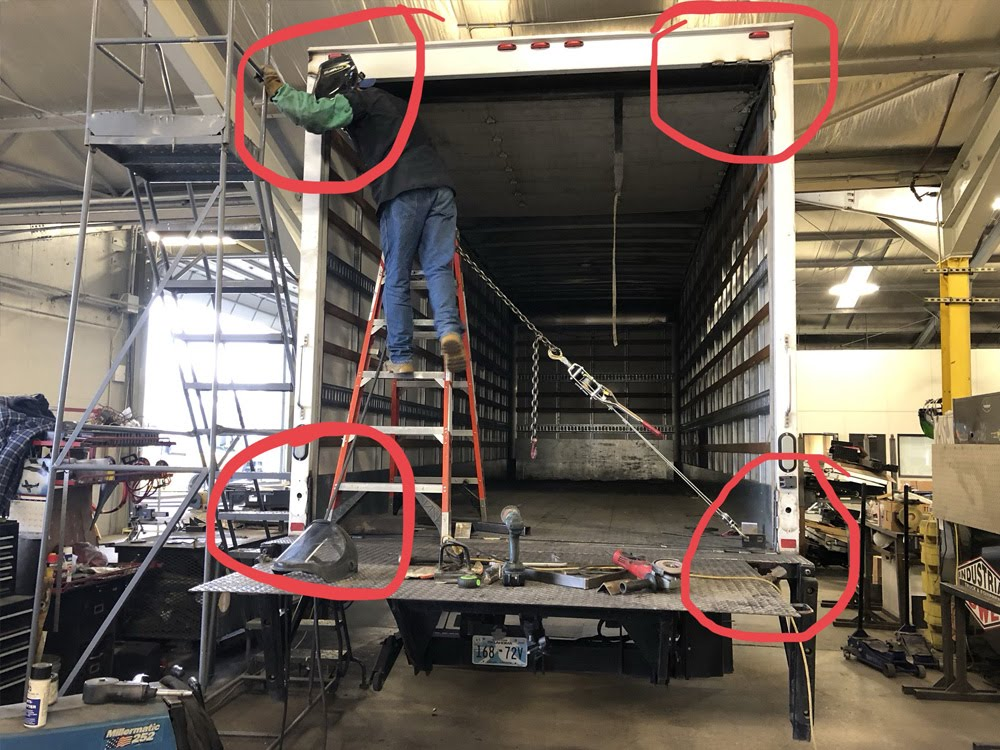
What Is Box Truck Roll Up Door Repair?
Repairing a box truck’s roll-up door typically involves fixing issues with the tracks, rollers, springs, hinges, and the door panels. These doors move constantly and experience heavy wear—truck fleet studies show that roll-up doors account for nearly 30% of all cargo-body maintenance issues in commercial vehicles.
A damaged door affects productivity, safety, and cargo protection. Understanding how it works is the first step toward an effective repair.
Read too: Top Trucking Companies That Still Have Manual Transmissions
For background on roll-up door mechanics, see the rolling door entry on Wikipedia (external link requirement).
Why Is My Box Truck Roll Up Door Stuck?
Drivers often ask this in “People Also Ask,” and the causes can range from simple to serious.
Common Reasons Your Door Won’t Open or Close
- Misaligned Tracks – Heavy loads or vibrations can knock the door off its path.
- Bent or Rusted Rollers – Worn rollers create friction, making the door jam.
- Broken Torsion Springs – The most common major failure; the door becomes extremely heavy.
- Loose or Damaged Cables – Cables fray over time and may snap.
- Cracked Panels – Damaged panels can rub against the frame.
- Lack of Lubrication – A dry door is a noisy, stubborn door.
Statistic:
Industry service centers report that 60% of stuck roll-up doors involve worn rollers or track issues, especially in high-mileage delivery vehicles.
How Do You Fix a Box Truck Roll Up Door?
This step-by-step process covers the basics for safe and effective repair. If you’re dealing with broken springs or cables, call a professional—these parts are under high tension.
Step-by-Step Guide to Basic Roll-Up Door Repair (Safe for Beginners)
1. Inspect the Tracks
Look for dents, bends, or debris.
Steps:
- Open the door halfway.
- Shine a flashlight into the tracks.
- Remove debris with a towel.
- If the track is bent, gently tap it using a rubber mallet.
2. Check the Rollers
If rollers are cracked or no longer round, they must be replaced.
Steps:
- Lift the door and secure it with locking pliers.
- Remove the roller bracket screws.
- Pull out the roller and slide in the new one.
- Re-tighten all hardware.
3. Lubricate All Moving Parts
Use a silicone-based lubricant (not WD-40, which attracts dirt).
Apply to:
- Tracks
- Rollers
- Hinges
- Springs
- Cables (light coat)
Frequency: Every 30–45 days, or more in dusty environments.
4. Tighten Loose Hinges
Loose hinges cause the panels to separate.
Steps:
- Use a socket wrench.
- Tighten hinge bolts snugly (do not overtighten).
- Replace missing or stripped hardware immediately.
5. Replace Damaged Panels
Panels that bow, crack, or bend can stop the door from rolling.
To replace a panel:
- Open the door fully.
- Remove hinge screws from the damaged section.
- Slide out the panel horizontally.
- Insert the new panel and secure it.
Tip: Panels must match your truck brand—Morgan, Supreme, and Utilimaster all use different configurations.
How Much Does Box Truck Roll Up Door Repair Cost?
Costs depend on the specific damage and truck model. Here’s what most US trucking companies pay:
| Repair Type | Average Cost | Notes |
|---|---|---|
| Roller Replacement | $75–$200 | Low-cost and common |
| Track Alignment | $100–$250 | Requires professional tools |
| Cable Replacement | $150–$350 | Labor-heavy |
| Spring Replacement | $300–$600 | High tension; pro repair only |
| Panel Replacement | $150–$450 per panel | Based on brand & material |
| Full Door Replacement | $1,000–$2,500 | For severe damage |
Fleet Data Insight:
Large delivery fleets like rental truck companies report that regular lubrication reduces repair costs by up to 40% annually.
When Should I Call a Professional?
Some repairs are too dangerous for DIY—especially anything involving tensioned components.
Call a Pro If:
- You hear loud snapping noises
- The door falls closed or feels extremely heavy
- Springs or cables appear broken
- Panels are severely bent
- Door is off the tracks
- You smell burning (often cable friction)
Safety Warning:
Torsion springs store a massive amount of energy. Attempting to remove or adjust them without training can result in severe injury.
Signs Your Box Truck Roll Up Door Needs Immediate Attention
To prevent breakdowns, watch for early warning signs:
- Door squeaks loudly even after lubrication
- The door opens unevenly or tilts
- You feel shaking when lifting
- There’s visible rust on cables or rollers
- Panels scrape the side seals
- Door slams down instead of lowering smoothly
Fixing issues early can extend your door’s lifespan by 5–7 years.
Common Problems and How to Fix Them
1. Roll-Up Door Won’t Stay Open
Cause: Weak springs or damaged cables.
Temporary Fix:
Secure the door with vice grips or a locking bar.
Permanent Fix:
Professional spring replacement (do not attempt yourself).
2. Door Is Very Heavy
Cause: Springs no longer counterbalance the weight.
Solution:
Have a mechanic replace or recalibrate torsion springs.
3. Door Is Crooked
Cause: One cable has slipped or stretched.
Solution:
Tighten or replace both cables to ensure even tension.
4. Loud Grinding Noise
Cause: Dirty tracks or worn rollers.
Solution:
Clean tracks, lubricate, or replace rollers if worn flat.
5. Water Leaks Inside the Cargo Area
Cause: Worn seals or misaligned panels.
Solution:
Replace door seals ($20–$60) and realign panels.
How to Prevent Roll-Up Door Damage
A little maintenance saves thousands in repairs.
Simple Preventive Maintenance Checklist
- Lubricate every 30–45 days
- Inspect rollers weekly
- Clean tracks monthly
- Check panel alignment after every long haul
- Tighten loose screws and hinges
- Replace worn seals every 12–18 months
Fleet Manager Tip:
Drivers should document door condition during pre-trip and post-trip inspections. This reduces surprise failures and improves DOT compliance.
Roll-Up Door Materials Comparison
Different trucks use different door materials, and each has pros and cons.
| Material | Pros | Cons |
|---|---|---|
| Aluminum | Lightweight, corrosion-resistant | Dents easier |
| Fiberglass | Strong, quieter, dent-resistant | Higher cost |
| Wood | Affordable, durable | Heavy, attracts moisture |
Aluminum is the most common choice for delivery fleets due to cost and ease of repair.
Pros vs Cons of DIY Repair
Pros
- Saves money
- Fast for simple fixes
- Good for routine maintenance
Cons
- Risky for springs and cables
- No warranty
- Incorrect repair can cause bigger failures
- Not fleet-approved for commercial operations
If you rely on your truck for business, professional service is often the smarter investment.
FAQ
1. How long does a box truck roll-up door last?
Most doors last 10–15 years with proper maintenance, but heavy-use delivery trucks may need major repairs after 5–7 years.
2. Can I replace a roll-up door spring myself?
No. Torsion springs are extremely dangerous. Always hire a certified door technician with the right tools and safety training.
3. Why is my roll-up door making loud popping noises?
Popping usually means the springs are failing or cables are fraying. Stop using the door until a mechanic inspects it.
4. How do I know if my roll-up door cable is broken?
Look for these signs:
- One side hangs lower
- Door lifts unevenly
- Cable appears loose, frayed, or snapped
Broken cables must be replaced immediately.
5. What size rollers does a box truck use?
Most commercial box trucks use 2-inch or 3-inch steel rollers, but always check your truck’s model (Morgan, Supreme, etc.) for exact specs.
6. Should I replace one spring or both?
Always replace in pairs. If one broke, the other is close to failing.
Conclusion
Fixing your Box Truck Roll Up Door Repair issues early prevents downtime, protects cargo, and keeps your business running smoothly. Whether you’re a fleet manager or an owner-operator, proper door maintenance saves money—and hassle. If this guide helped you, feel free to share it on social media so other truck drivers can keep their roll-up doors in top shape.
Leave a Reply