
Overloaded axles lead to fines, unsafe handling, and premature tire and brake wear. On Board Truck Scales For Air Suspension solve this by converting airbag pressure into real-time weight readings directly in the cab. If you want to load smarter, avoid weigh-station surprises, and protect your equipment, understanding how these systems work is a game-changer.
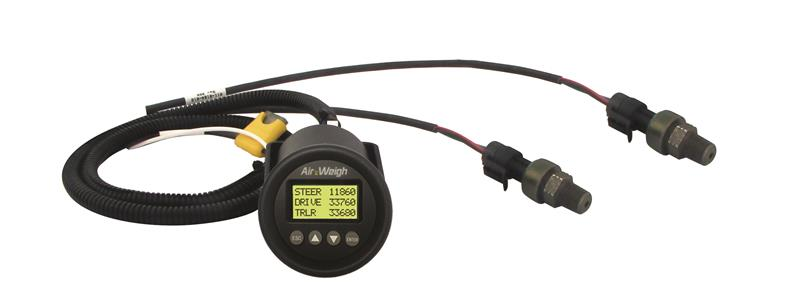
This guide explains the technology, accuracy, installation, calibration, and daily use—so you can make informed decisions whether you’re an owner-operator or fleet manager.
Read too: Franklin Truck Parts Near Me: Your Complete Guide to Local Truck Parts & Repair Solutions
What Are On Board Truck Scales For Air Suspension and How Do They Work?
On Board Truck Scales For Air Suspension use pressure sensors connected to the air bags (air springs). As load increases, air pressure rises. The system translates PSI (pressure) into axle weight using calibration data.
Core components:
- Air pressure sensors (one per air line)
- In-cab digital gauge or display
- Wiring harness and power source
- Calibration chart or software
For background on how air springs function, see Air suspension on Wikipedia:
https://en.wikipedia.org/wiki/Air_suspension
Why Drivers and Fleets Install These Systems
Primary goals:
- Prevent overweight violations
- Balance loads across axles
- Reduce tire, brake, and suspension wear
- Speed up loading without visiting public scales
Industry estimates show that overweight fines in the U.S. can range from $150 to over $1,000 per violation, depending on state and excess weight.
How Accurate Are Air Suspension Truck Scales?
When properly calibrated, most systems achieve ±200 to ±500 lbs accuracy per axle.
Accuracy depends on:
- Correct calibration on level ground
- Proper ride height
- No air leaks
- Even load distribution
They are not legal-for-trade scales but are highly reliable for pre-checking weight before hitting the road.
Benefits vs Limitations
| Benefits | Limitations |
|---|---|
| Real-time axle weight | Requires calibration |
| Prevents fines | Slight accuracy variance |
| Faster loading process | Not DOT-certified scale |
| Reduces equipment wear | Depends on air system health |
Step-by-Step Installation Overview
Estimated time: 60–90 minutes
Skill level: Moderate DIY or shop install
Tools Needed
- Wrench set
- Air line cutter
- Teflon tape
- Wire crimper
Installation Steps
- Locate the air line feeding each suspension air bag.
- Cut the line and insert a T-fitting.
- Attach the pressure sensor using Teflon tape for a tight seal.
- Route sensor wires safely to the cab.
- Mount the digital gauge on the dashboard.
- Connect to 12V power source.
- Start calibration process.
Calibration: The Most Important Step
Without calibration, readings are meaningless.
Proper calibration method:
- Empty truck on level ground. Record PSI reading.
- Load known weight (e.g., 10,000 lbs from a certified scale).
- Record new PSI.
- Enter values into the display or use provided chart.
Example:
| PSI | Known Weight |
|---|---|
| 28 PSI | Empty |
| 52 PSI | 10,000 lbs |
The system interpolates values between these points.
Real-World Use Case
A dump truck operator hauling gravel reported saving 2–3 trips per week to public scales after installing onboard air suspension scales. Over a year, this translated into significant fuel and time savings.
Ideal Vehicles for On Board Air Suspension Scales
- Semi trucks with air ride suspension
- Dump trucks
- Grain haulers
- Logging trucks
- Tankers and bulk haulers
Not compatible with leaf-spring suspensions unless retrofitted.
Maintenance Tips for Long-Term Accuracy
- Check for air leaks monthly
- Recalibrate every 6 months
- Keep sensors dry and clean
- Verify readings seasonally (temperature affects air pressure)
A 10°C (18°F) temperature swing can slightly change PSI readings.
FAQ — On Board Truck Scales For Air Suspension
Are these scales DOT legal?
No. They are for reference only but highly reliable for avoiding overloads.
Do temperature changes affect readings?
Yes. Cold air lowers PSI; recalibration helps maintain accuracy.
Can I install it myself?
Yes, with basic tools and air line knowledge.
Will this work on trailers?
Yes, if the trailer uses air suspension.
How long do sensors last?
Typically 5–8 years with proper maintenance.
Does it measure total truck weight?
No, it measures axle group weight based on air pressure.
Conclusion
On Board Truck Scales For Air Suspension give drivers and fleets the power to load accurately, avoid fines, and protect their equipment. With straightforward installation and simple calibration, these systems pay for themselves in saved time, reduced wear, and fewer penalties.
If this guide helped you understand how onboard air scales work, share it with fellow drivers and fleet owners who want smarter, safer hauling.
Leave a Reply